Winged spindle
Euonymus alatus (Thunb.) Siebold
Description
The winged spindle (Euonymus alatus) is a deciduous shrub that belongs to the Celastraceae family. It is widely recognized in horticulture for its spectacular foliage, which turns a brilliant, fiery red in the autumn, making it a highly prized specimen in professional landscaping and garden design.
Native to the regions of East Asia, including Japan, Korea, and China, this shrub has been introduced to many temperate climates worldwide. In its natural habitat, it thrives in forest margins and mountainous areas. Today, it is extensively cultivated as an ornamental plant in both private gardens and large-scale public parks.
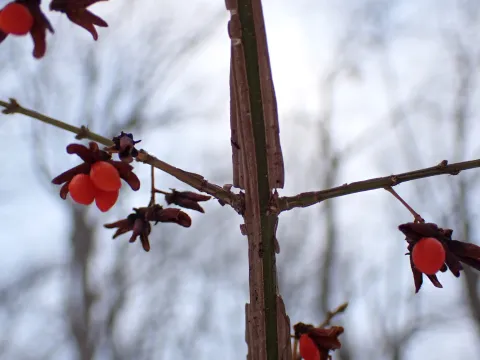
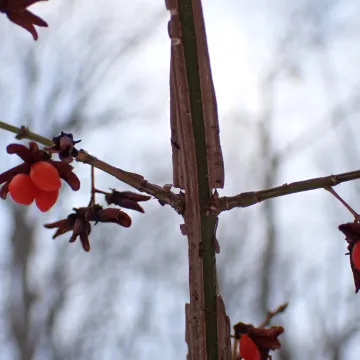
The plant is botanically characterized by its unique corky ridges or "wings" that develop along the stems, which give it a distinct architectural appearance. It is a slow-growing shrub, typically reaching heights of 2 to 3 meters. It produces small, inconspicuous flowers followed by decorative fruit capsules that add visual interest throughout the late season.
Cultivation requirements involve well-drained, fertile soil with a neutral to slightly acidic pH. The plant prefers full sun to partial shade; while it is quite hardy and drought-tolerant once established, it benefits from consistent moisture during its initial growth stages. Proper pruning is essential to maintain its dense, symmetrical shape.
The main challenges in managing this culture include protection against common pests such as aphids, spider mites, and scale insects. Additionally, powdery mildew may occur in humid, poorly ventilated areas. Integrated pest management and routine monitoring are recommended to ensure healthy growth. Beyond aesthetics, the species is valued for its resilience in urban environments.
Photo gallery