Wintercreeper
Euonymus fortunei (Turcz.) Hand.-Mazz. var. radicans (Siebold ex Miq.) Rehder
Description
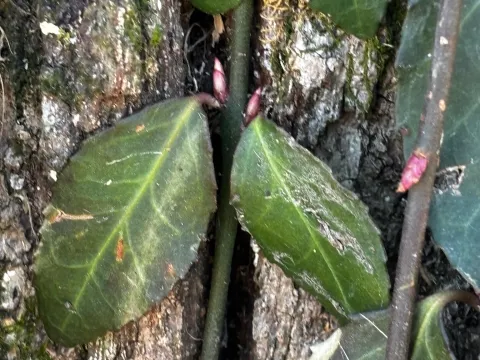
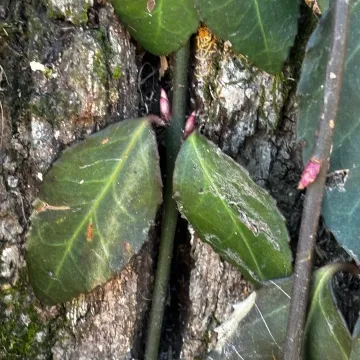
Wintercreeper (Euonymus fortunei var. radicans) is an evergreen trailing shrub belonging to the Celastraceae family. This specific variety is highly valued for its vigorous growth habit and its unique ability to take root wherever its stems touch the ground, making it an excellent groundcover or climber.
Native to East Asia, including China, Korea, and Japan, this plant has adapted to a wide range of environments. In its natural habitat, it thrives in wooded areas and rocky terrains. Its robustness has led to its extensive use in ornamental horticulture throughout the world, providing year-round greenery in diverse climate zones.
Botanically, the plant features dense, leathery leaves and stems that utilize adventitious roots for attachment. This structural characteristic allows it to climb walls or trunks up to several meters in height when provided with support, or simply crawl across the landscape to prevent soil erosion and suppress weed growth.
Agricultural requirements include well-drained, fertile soil with a neutral to slightly acidic pH level. While the plant is notably shade-tolerant, variegation in the foliage is often most vibrant in locations with partial sunlight. Maintenance involves moderate watering during dry spells, spring fertilization, and pruning to maintain desired shape and density.
Economically and aesthetically, Wintercreeper is utilized for landscape design, erosion control, and architectural accents. Common threats include infestations of spider mites or scale insects, and fungal issues like powdery mildew. Vigilant monitoring and the use of integrated pest management strategies are essential for maintaining healthy and vigorous plantings.
- Excellent erosion control properties.
- High tolerance for various light conditions.
- Low maintenance requirements once established.
- Highly adaptable for topiary and vertical greening.
Photo gallery