Button eryngo
Eryngium yuccifolium Michx.
Description
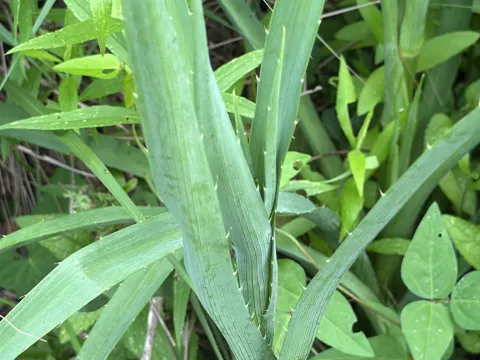
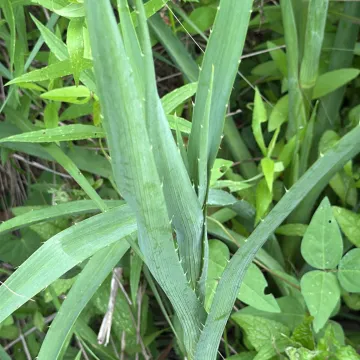
The button eryngo (Eryngium yuccifolium) is a unique perennial plant belonging to the Apiaceae (parsley) family. It is distinct within the Eryngium genus due to its long, fibrous, yucca-like leaves, which provide a unique structural element in the garden. This native North American species is highly valued for its distinctive architectural form and ecological benefits.
Originating from the tallgrass prairies of North America, this plant has adapted to open, sunny environments with varying soil conditions. It is remarkably hardy, tolerating extreme heat and periods of drought once established. Its native range makes it an excellent candidate for restoration projects and sustainable gardening practices, as it thrives in naturalistic meadow designs.
Botanically, the plant produces a stout, erect stem reaching up to 1.5 meters in height. The inflorescences are dense, globular flower heads composed of tiny, white to greenish-white florets, resembling small buttons. The foliage grows in basal clumps, with individual leaves reaching significant lengths, providing interest even before the flowers appear in mid-to-late summer.
Successful cultivation requires full sun exposure and well-drained, deep, and moderately fertile soil. Because the plant develops a deep taproot, it does not transplant well once established, so choosing a permanent location is vital. It is largely maintenance-free, requiring minimal irrigation and no supplemental fertilization in established landscapes, provided the soil remains well-drained.
In terms of usage, the button eryngo is widely used as a specimen plant, in prairie-style borders, and as a popular choice for dried flower arrangements. It serves as an important pollinator resource, attracting bees, butterflies, and other beneficial insects. While generally pest-resistant, growers should monitor for potential issues like powdery mildew or root rot, which may occur in excessively wet or poorly ventilated sites.
Photo gallery