Bluejoint
Calamagrostis canadensis
Description
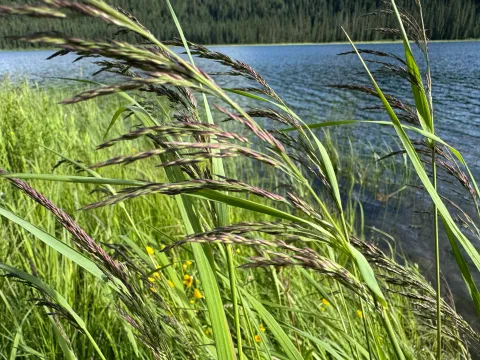
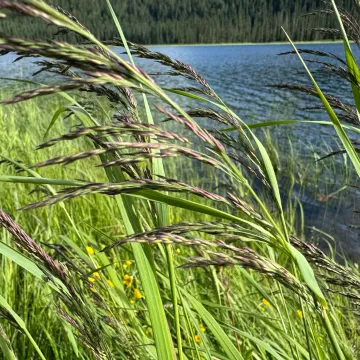
Bluejoint (Calamagrostis canadensis) is a perennial grass species belonging to the Poaceae family. It is a robust, rhizomatous plant known for its adaptability to wet habitats and its significant role in biomass production within temperate and northern ecosystems.
Originating from North America, Bluejoint is widespread across Canada and the United States. Its natural range demonstrates a high tolerance for varied climatic conditions, from boreal regions to temperate wetlands. In agriculture, it is often favored for its ability to colonize sites that are too saturated for traditional grain or forage crops.
Botanically, Bluejoint is characterized by its tall, erect stems which can reach heights of up to 1.5 meters. The leaves are typically narrow and scabrous, contributing to a dense foliage structure. Its extensive, creeping root system provides structural stability to the soil, making it an excellent candidate for landscape restoration projects.
The agronomic requirements for Bluejoint emphasize the need for adequate soil moisture. It thrives in soils with high water tables, such as fens and marshes. While it requires minimal fertilization, proper management of mowing cycles is essential to maintain the nutritional quality of the forage if intended for livestock consumption.
The practical applications of Calamagrostis canadensis include erosion control, reclamation of disturbed wetland areas, and forage production. Common challenges include fungal diseases that thrive in damp conditions and specific insect pests like grass-feeding aphids and mites that may impact vigor during peak growth seasons.
Photo gallery