Carmichaelia monroi
Carmichaelia monroi
Description
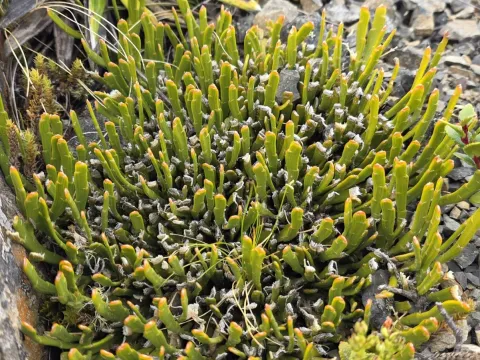
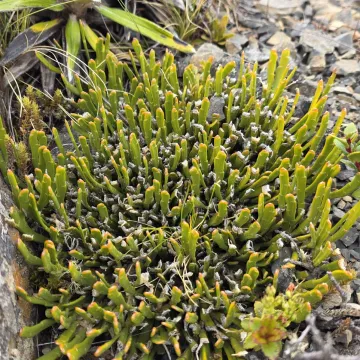
Carmichaelia monroi is a distinctive perennial shrub belonging to the Fabaceae family. As a native of New Zealand, this plant is renowned for its unique cushion-like growth habit, which allows it to thrive in the harsh, wind-swept alpine environments of the South Island.
One of the most striking botanical features of this species is its photosynthetic, flattened stems, known as cladodes. These stems effectively replace the need for traditional foliage, which is often reduced or absent. This evolutionary adaptation helps the plant minimize water loss and endure intense sunlight, making it a masterpiece of plant physiology.
When cultivating Carmichaelia monroi, specific attention must be paid to its soil requirements. The plant demands excellent drainage, thriving best in rocky, gritty, or sandy soils that mimic its natural mountain habitat. Heavy, clay-based soils should be strictly avoided, as they can cause rapid root rot and plant death.
The agrotechnical management of this plant focuses on imitating its native environment. It requires full sun exposure and a regime of infrequent watering, especially during the dormant season. It is remarkably hardy, but in areas with high winter rainfall, it is often best protected in a cold frame or a well-ventilated greenhouse to ensure the substrate stays relatively dry.
While primarily a collector's plant for rock gardens and xeriscapes, it is prized for its architectural form. Common pests include spider mites if kept in dry, indoor conditions, while fungal diseases are generally the result of overwatering. Propagation is best achieved through fresh seeds, which require careful scarification to ensure uniform germination.
Photo gallery