Carmichaelia orbiculata
Carmichaelia orbiculata
Description
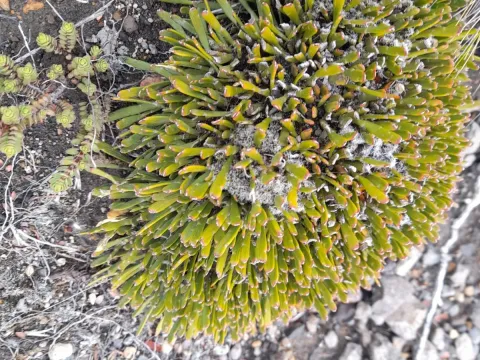
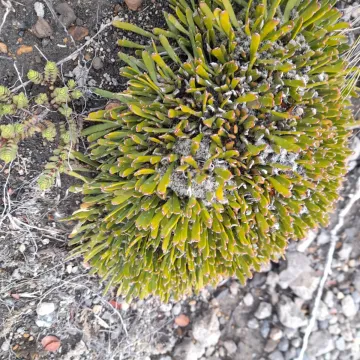
Carmichaelia orbiculata is a distinctive member of the Fabaceae (legume) family, native to the diverse landscapes of New Zealand. Often referred to as a "leafless" shrub, this plant has adapted to its environment by evolving flattened, photosynthetic stems that replace traditional leaves. This evolutionary strategy allows the plant to thrive in harsh, windswept conditions where water conservation is critical for survival.
Botanically, this species is characterized by its compact, prostrate or mounded habit. The stems are typically green and ribbon-like, occasionally bearing small, transitory leaves in juvenile stages. During the flowering season, the plant produces delicate, pea-like flowers that range from white to pale purple, adding subtle aesthetic value to its stark, architectural form. Following fertilization, it produces small, indehiscent pods.
The climatic and soil requirements for this species are specific. It demands excellent drainage and is highly susceptible to root rot if placed in heavy, waterlogged soils. It prefers sunny locations and is well-adapted to rocky or sandy substrates found in alpine and sub-alpine regions of its native habitat. When cultivating, it is essential to replicate these conditions by using grit-heavy soil mixtures and providing ample air circulation.
Agrotechnical management is relatively straightforward but requires attention to moisture levels. Excessive fertilization should be avoided as it can promote weak, vegetative growth that is more prone to pests such as aphids or spider mites. Pruning is rarely necessary, except to remove dead or diseased stems, which helps maintain the plant's natural structural integrity and health.
In terms of хозяйственное (economic) use, Carmichaelia orbiculata is primarily valued for its ornamental role in xeriscaping and rock garden designs. It is highly regarded by collectors of rare flora due to its unusual morphology and endemic status. While it is not a major agricultural crop in the traditional sense, its resilience to poor soil quality makes it an interesting subject for studies in sustainable landscape management.
- Preferred Hardiness Zones: 8–10 (USDA).
- Soil requirements: Fast-draining, neutral to slightly acidic.
- Irrigation: Allow substrate to dry out completely between waterings.
- Common pests: Aphids and mealybugs under glasshouse conditions.
Photo gallery