Carmichaelia stevensonii
Carmichaelia stevensonii
Description
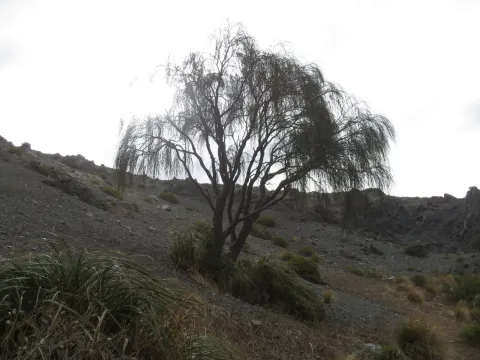
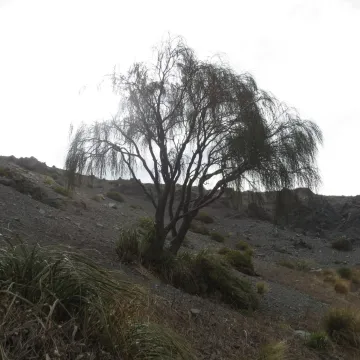
Carmichaelia stevensonii, often referred to as the weeping broom, is a distinctive shrub or small tree belonging to the Fabaceae (legume) family. It is recognized for its unique, flattened, green photosynthetic stems, which are a hallmark of its survival strategy, as it effectively functions with minimal or no true leaves for the majority of its lifecycle.
The species is endemic to the South Island of New Zealand. Its natural distribution is largely restricted to specific riparian habitats and forest margins. As an agricultural or ornamental specimen, it is highly valued for its rarity and its graceful, weeping habit, which makes it a sought-after addition for specialized botanical collections.
Botanically, the plant is characterized by its slender, drooping branches that provide a delicate texture to the landscape. During the flowering season, the shrub produces clusters of small, fragrant pea-like flowers that range from white to pale purple. Following fertilization, it develops small, dry pods typical of the legume family, which add further interest to the plant.
Cultivation requires well-drained soil, preferably of a gritty or sandy consistency to mimic its native environment. It thrives in locations with full to partial sun exposure. While somewhat hardy, it benefits from protection against harsh frost and extreme winds. Proper drainage is critical; waterlogging is the most common cause of root rot in this species.
In terms of usage, it is primarily employed in ornamental horticulture, serving as a focal point in rock gardens or as an architectural element in conservatory settings. The plant is generally robust, but gardeners should monitor for common pests like aphids or scale insects. Maintaining good air circulation is essential to prevent fungal issues and ensure healthy stem development.
Photo gallery