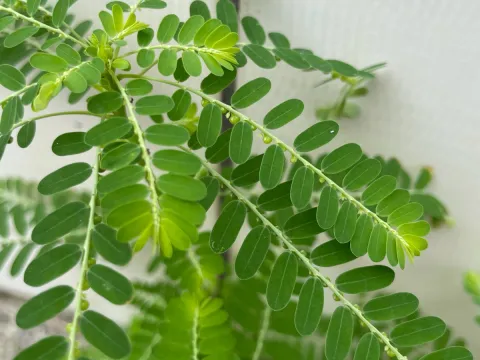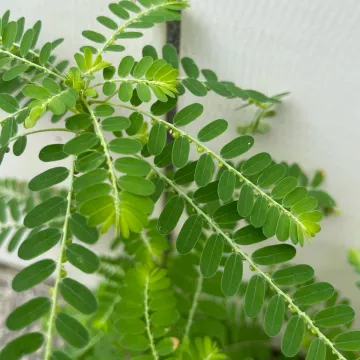
Carry-Me-Seed
Phyllanthus amarus Schumach. & Thonn.
Description
Carry-Me-Seed, scientifically known as Phyllanthus amarus, is a significant annual herbaceous plant belonging to the Phyllanthaceae family. This plant has gained global recognition due to its extensive pharmacological profile, making it a critical crop for the herbal supplement and pharmaceutical industries worldwide.
The plant originates from the tropical regions of the Americas but has successfully naturalized across various tropical and subtropical zones, including parts of India, Southeast Asia, and Africa. It is frequently found as a weed in cultivated fields and open areas, demonstrating a robust adaptability to diverse environmental conditions and soil types.
Botanically, Phyllanthus amarus is characterized by a slender, erect stem reaching heights of 30 to 60 centimeters. Its foliage consists of small, alternate leaves arranged in a distichous pattern on lateral branches, creating a pinnate appearance. The plant produces tiny, solitary, greenish-yellow flowers in leaf axils, followed by the development of minute, smooth, spherical capsules that contain the seeds.
Successful commercial cultivation requires a warm, humid tropical climate with consistent moisture levels. The crop thrives in well-drained, fertile sandy-loam soils with a slightly acidic to neutral pH balance. Efficient irrigation management is crucial; although the plant requires moisture, waterlogging must be strictly avoided to prevent root decay and ensure optimal biomass accumulation.
The primary economic value of Carry-Me-Seed lies in its secondary metabolites, including phyllanthin, hypophyllanthin, and various alkaloids. These compounds drive its use in several health sectors:
- Development of hepatoprotective formulations for liver support.
- Manufacturing of herbal remedies for urinary tract health.
- Integration into traditional medicine for antiviral treatments.
- Formulation of antioxidants in modern nutraceuticals.
Regarding crop protection, Phyllanthus amarus is susceptible to fungal pathogens like powdery mildew, especially under high humidity and poor ventilation. Common pests, including aphids and spider mites, can also impact leaf quality. Agronomic practices such as proper plant spacing, balanced fertilization, and integrated pest management are essential to maintain high-yield production and medicinal potency.
Photo gallery