Phyllanthus niruri
Phyllanthus niruri L.
Description
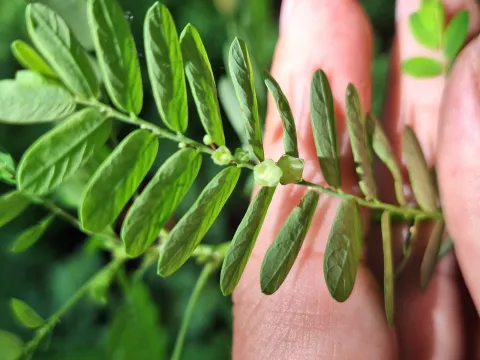
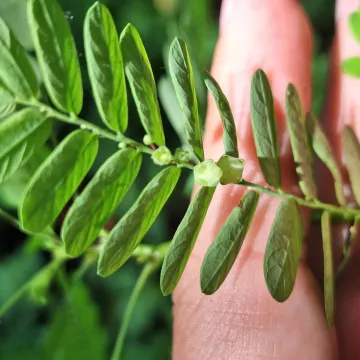
Phyllanthus niruri is an annual herbaceous plant belonging to the Phyllanthaceae family. Widely recognized in ethnomedicine, it is commonly known as the "stone breaker" due to its traditional use in managing kidney stones. The plant is characterized by its small, bipinnate leaves that resemble the fronds of certain ferns, often giving it an elegant, delicate appearance.
Originating from the tropical regions of the Americas and Asia, the plant thrives in hot and humid environments. It typically grows as a weed in disturbed soils but has become an important commercial crop for the nutraceutical and pharmaceutical industries. Its range is confined to tropical and subtropical zones where frost is non-existent.
From a botanical perspective, the plant exhibits a unique growth habit where its tiny yellow-green flowers and fruit capsules develop underneath the branches. This structural adaptation helps protect the reproductive organs from direct intense sunlight and heavy tropical rainfall. It is a fast-growing species that completes its life cycle within a few months.
The agronomic requirements for Phyllanthus niruri include well-draining, nutrient-rich soil with a pH ranging from slightly acidic to neutral. High levels of sunlight are mandatory for optimal biosynthesis of active compounds. Irrigation must be managed carefully, as the plant requires consistent moisture but is highly susceptible to root rot if the soil becomes waterlogged.
Economic importance of the crop is driven by its high phytochemical potential:
- Synthesis of hepatoprotective medications.
- Production of supplements for urological health.
- Extraction of antiviral and anti-inflammatory compounds.
- Supply of dried biomass for global herbal markets.
Major pests and diseases affecting the crop include aphids, spider mites, and soil-borne fungal pathogens such as Rhizoctonia. Crop protection programs emphasize integrated pest management (IPM), favoring biological controls and crop rotation to maintain soil health and ensure the safety of the medicinal end-product.
Photo gallery