Chilean algarrobo
Prosopis chilensis (Molina) Stuntz
Description
The Chilean algarrobo (Prosopis chilensis) is a significant woody species belonging to the Fabaceae (Leguminosae) family. It is widely recognized for its remarkable ability to thrive in extremely arid and semi-arid environments, making it a cornerstone for reforestation and sustainable agriculture in dryland regions.
Native to South America, specifically in regions of Chile, Argentina, and Peru, this species has adapted to survive where water is scarce. Its role in these ecosystems is vital, as it serves as a nitrogen-fixing plant that enriches the soil, provides essential shade for livestock, and helps stabilize soil against wind and water erosion.
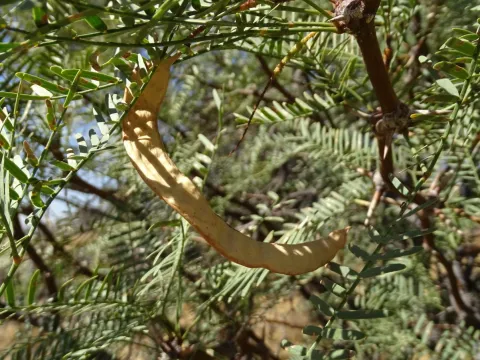
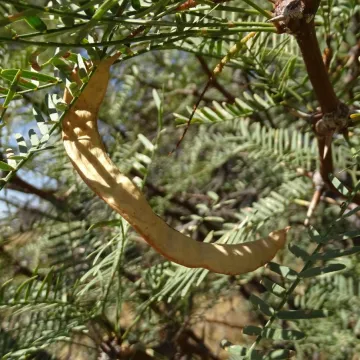
Botanically, Prosopis chilensis is a deciduous tree with a wide-spreading canopy, thorny branches, and bipinnate leaves. One of its most distinctive features is an exceptionally deep and aggressive root system, which allows the tree to access deep groundwater tables. Its flowers are small and yellow, developing into nutrient-rich seed pods that are high in carbohydrates and proteins.
Cultivation requires well-drained, sandy, or loamy soils, though the tree exhibits impressive tolerance to alkaline and saline conditions. From an agronomic perspective, initial establishment is the most critical phase, requiring weed control and minimal irrigation. Once established, the tree is highly self-sufficient and requires very little maintenance, thriving under high temperatures and intense sunlight.
- Utilization of seed pods as a high-protein animal feed supplement.
- Production of high-density, durable timber used for fine furniture.
- Food industry use, including the milling of pods into nutritious flour.
- Ecological services such as land reclamation and desertification control.
The main pests affecting Prosopis chilensis include seed-feeding bruchid beetles, which can significantly reduce harvest yields. Pathological issues are rare but can include root-rot diseases caused by poor drainage or overly humid conditions. Effective management relies on proper site selection and maintaining tree health through judicious thinning and monitoring of pest populations.
Photo gallery