Honey mesquite
Prosopis glandulosa Torr.
Description
Honey mesquite, scientifically classified as Prosopis glandulosa, is a robust leguminous tree species (Fabaceae family) renowned for its survival in harsh, arid environments. It is characterized by its ability to thrive in regions where traditional agriculture would be impossible due to extreme water scarcity and heat.
Originating from the southwestern United States and Mexico, this species has successfully adapted to diverse desert and semi-desert conditions. Its presence is vital in restoration ecology, as it acts as a pioneer species that stabilizes soil and prevents erosion in dryland environments worldwide.
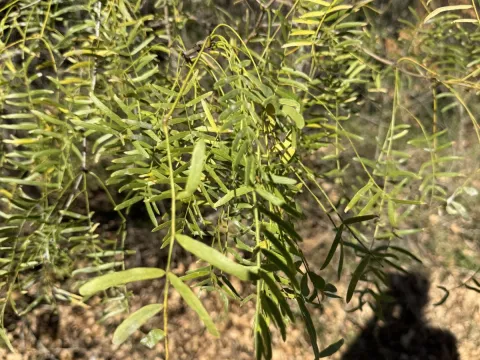
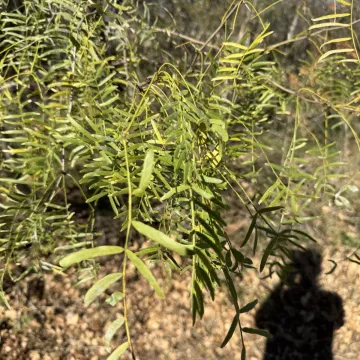
Botanically, the plant is known for its extensive root system, which can reach great depths to access groundwater. It features pinnate leaves and distinctive yellow catkin-like flowers, which develop into long, protein-rich pods. These pods are a significant biological asset, containing both seeds and nutritious pulp.
Cultivation requires minimal input, focusing primarily on selecting well-drained soil types. While the plant is drought-tolerant once established, young saplings benefit from weed control to ensure successful growth. It is highly resistant to common agricultural pests, making it a low-maintenance crop for marginal lands.
The economic value of Honey mesquite is diverse, ranging from the production of high-quality charcoal and durable wood for furniture to the processing of pods into high-protein animal feed and specialty flour. Beyond these uses, it plays a critical role in promoting sustainable agricultural practices by fixing atmospheric nitrogen into the soil.
- Exceptional tolerance to heat and drought.
- Natural soil enrichment via nitrogen fixation.
- Highly nutritional potential for livestock feed.
- Low requirement for chemical fertilizers or pesticides.
Photo gallery