Prosopis cineraria
Prosopis cineraria (L.) Druce
Description
Prosopis cineraria, widely known as the Ghaf tree, belongs to the family Fabaceae. It is a highly valued species in arid regions, celebrated for its remarkable ability to survive in extreme desert environments where water is scarce and temperatures are intense. It serves as a cornerstone for desert ecosystems and sustainable agriculture.
The native range of this tree spans across the arid regions of Western and Southern Asia, particularly India, Pakistan, and the Arabian Peninsula. Throughout these areas, it is a crucial component of the natural landscape. Historically and culturally, it is regarded as a symbol of life and endurance, forming an essential part of the heritage of countries such as the United Arab Emirates.
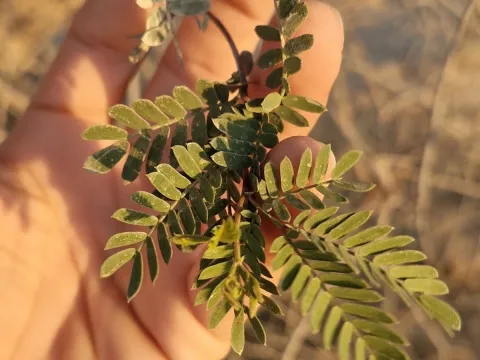
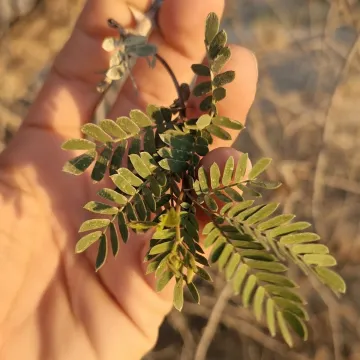
Botanically, Prosopis cineraria is an evergreen or deciduous tree characterized by a deep taproot system, which allows it to tap into deep-seated groundwater. Its foliage consists of small, pinnate leaves designed to withstand high heat. The tree produces yellow flowers and long, pod-like fruits containing seeds, contributing to its status as a prolific producer in harsh conditions.
Regarding cultivation, the species requires minimal input. It grows effectively in sandy, loamy, and saline soils. Agronomic practices focus mainly on initial protection from browsing animals during the first years of establishment. Once established, the tree is virtually independent of human care, thriving on minimal rainfall while simultaneously enhancing soil nitrogen levels through its root nodules.
Economic and agricultural utility includes:
- providing high-protein fodder for livestock such as camels and goats;
- offering timber for construction and charcoal production;
- improving soil fertility via nitrogen fixation;
- providing essential shade and shelter within agroforestry systems to protect other crops.
Common pests and diseases include root rots in waterlogged conditions and certain leaf-eating insects. However, due to its inherent resilience, the Ghaf tree rarely experiences significant infestations in its natural habitat. Proper site selection for planting and ensuring adequate drainage are the primary management considerations to ensure long-term health and productivity of the trees.
Photo gallery