Rabbitbrush
Chrysothamnus paniculatus
Description
Rabbitbrush (Latin: Chrysothamnus paniculatus) is a resilient perennial shrub belonging to the Asteraceae family. Known for its ability to thrive in challenging environments, this species is increasingly recognized in agricultural research for its role in ecosystem restoration and arid land management. Its hardiness makes it a valuable candidate for projects aimed at stabilizing soils in harsh, low-precipitation zones.
Native to the southwestern regions of North America, this plant is well-adapted to the desert and semi-desert climates of the continent. Its natural range encompasses areas with high temperature fluctuations and sporadic rainfall. This geographical origin dictates its physiological strengths, specifically its high tolerance to saline soils and drought, which are often limiting factors for traditional agricultural crops.
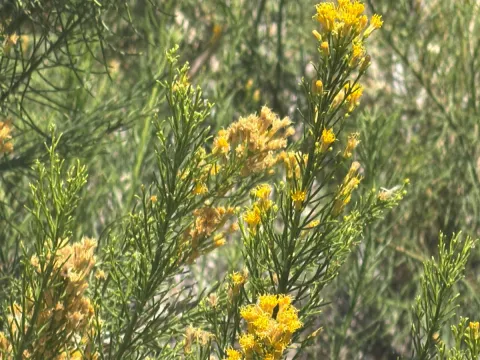
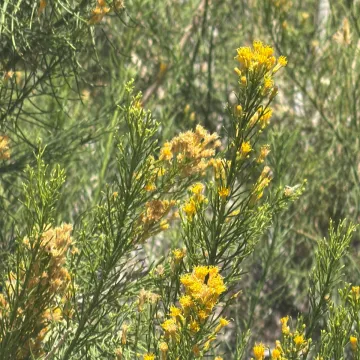
Botanically, Chrysothamnus paniculatus is characterized by its dense, branching growth habit and specialized foliage designed to minimize water loss through transpiration. The plant possesses a robust and deep-reaching root system that provides stability and access to deep-seated soil moisture. During the flowering phase, it produces conspicuous yellow blooms, which are not only visually distinct but also crucial for local pollinator populations.
Agronomically, the plant is undemanding and thrives in well-drained, sandy, or rocky soils. Successful establishment requires strategic site selection and, in some cases, limited weed control during the seedling stage to ensure rapid growth. Once established, the shrub is virtually self-sustaining and exhibits remarkable resistance to common pests and diseases, significantly reducing the need for chemical inputs like fertilizers or pesticides.
The primary agricultural and environmental uses for Rabbitbrush include:
- Erosion control on sandy dunes and degraded slopes.
- Restoration of damaged ecosystems and abandoned arid farmlands.
- Support for native bee populations through reliable late-summer nectar production.
- Potential research into biochemical compounds for industrial or pharmacological applications.
Photo gallery