Cocculus orbiculatus
Cocculus orbiculatus
Description
Cocculus orbiculatus is a perennial woody vine belonging to the Menispermaceae family. Renowned for its vigorous climbing habit and complex chemical composition, it serves as an important botanical resource. It is naturally adapted to forest edges and rocky hillsides, exhibiting strong survival strategies in competitive environments.
The plant is native to Eastern and Southeastern Asia, including countries like Japan, China, and Korea. Over centuries, it has adapted to various temperate and subtropical climates, making it a resilient species capable of establishing itself in diverse soil types ranging from sandy loams to slightly acidic clay-based substrates.
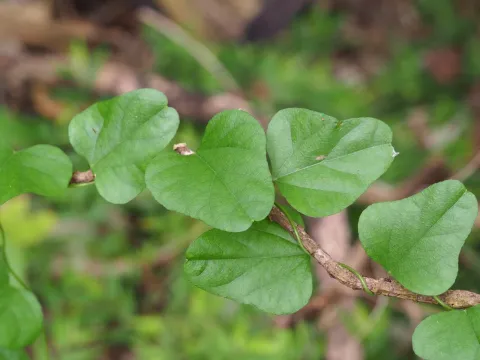
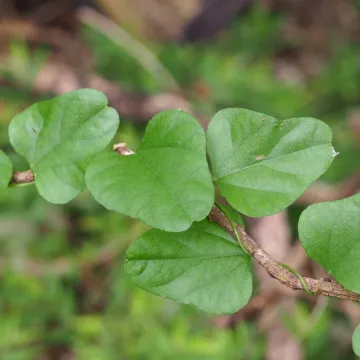
Botanically, it features alternate, orbicular leaves and woody stems that twine around supporting structures. The plant produces small, dark-colored drupes following flowering. A distinct morphological trait of this species is the seed structure, which is curved in a crescent shape, providing the botanical signature of the genus within the Menispermaceae family.
Agro-technical requirements for this crop involve providing adequate vertical support systems to facilitate upward growth. It thrives in well-drained soil with a consistent moisture level. While it is relatively hardy, protection from extreme frost and high-wind environments is recommended for optimal yield. Regular pruning is necessary to manage its rapid vegetative growth and ensure sunlight penetration to the inner canopy.
The primary economic and practical uses for Cocculus orbiculatus include:
- Production of medicinal compounds, specifically alkaloids used in pharmacology.
- Use in landscape architecture as a dense climbing cover for walls and trellises.
- Historical use in traditional Asian medicine for anti-inflammatory and antiseptic purposes.
Common phytosanitary issues include powdery mildew and root rot caused by stagnant water or poor air circulation in dense foliage. Among pests, spider mites and scale insects are the most problematic, particularly in greenhouses. Effective management involves maintaining balanced irrigation and applying integrated pest management strategies to protect the overall vitality of the plantation.
Photo gallery