Cocculus pendulus
Cocculus pendulus
Description
Cocculus pendulus is a perennial evergreen climbing shrub belonging to the Menispermaceae family. Renowned for its resilience, this species has evolved to thrive in harsh environments, displaying structural adaptations that allow it to withstand extreme heat and arid conditions typical of its native habitats.
The plant originates from the dry regions of Africa, the Middle East, and South Asia. Its natural distribution encompasses diverse ecosystems, ranging from rocky desert outcrops to the fringes of arid savannas. In these habitats, it functions as a critical pioneer species, anchoring sandy soils and providing a habitat for various desert organisms.
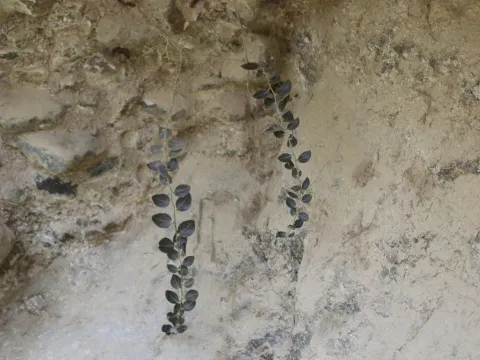
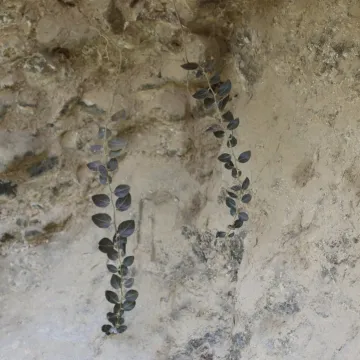
Botanically, the plant is characterized by flexible, trailing stems and small, leathery leaves that reduce transpiration. It produces inconspicuous, yellowish-green flowers, followed by small, drupe-like fruits. The deep-reaching root system is its primary adaptation, enabling the plant to access groundwater levels inaccessible to smaller desert vegetation.
Cultivation requirements focus on mimicking its natural environment. It demands exceptionally well-drained, sandy or gravelly soil and full sun exposure. The species is highly sensitive to waterlogged conditions, which can be fatal. During the initial establishment phase, minimal supplemental irrigation is required, but it should be significantly reduced once the root system is well-developed.
The plant has various utility areas:
- Application in ethnopharmacology for treating inflammatory conditions.
- Utilization in xeriscaping and sustainable landscape design.
- Soil stabilization projects in arid zones to prevent desertification.
Pest management primarily involves monitoring for sap-sucking insects like spider mites and scale insects, which can proliferate in hot, dry conditions. Diseases are typically related to moisture control, with root rot being the most significant threat. Ensuring proper spacing and airflow is essential to maintaining the health of the cultivation and preventing fungal outbreaks.
Photo gallery