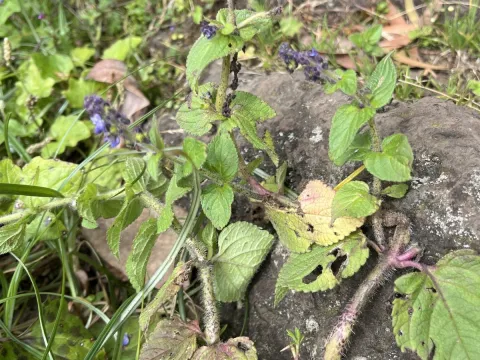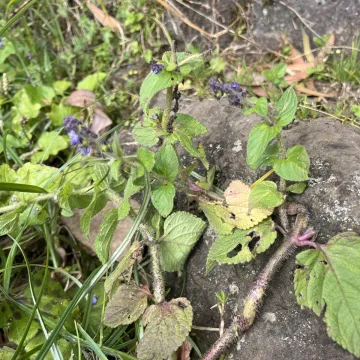

Coleus maculosus
Coleus maculosus
Description
Coleus maculosus is a visually striking herbaceous perennial belonging to the Lamiaceae family. Although taxonomically reclassified by many botanists within the Plectranthus genus, the name Coleus maculosus remains the standard horticultural reference for these specific spotted-leaf cultivars. The plant is highly regarded for its aesthetic contribution to both indoor and outdoor gardening.
The species originates from the tropical forests of Africa and Asia, where it thrives in humid, shaded environments. Due to its tropical nature, the plant is typically grown as an annual in temperate climates or as a perennial in controlled greenhouse environments. Its natural habitat is characterized by moderate temperatures and consistent soil moisture.
Morphologically, the plant features square-sectioned stems and opposite leaves that exhibit distinct maculations or spots, which give the species its epithet. These patterns are highly sensitive to light exposure, which directly influences the concentration of pigments in the foliage. Under optimal conditions, the plant develops a dense, bushy structure, making it ideal for ornamental planting.
Cultivation requirements for Coleus maculosus include a nutrient-rich, well-draining substrate with an slightly acidic to neutral pH. It is a light-demanding crop, though it prefers bright, filtered light rather than direct sun, which can cause leaf scorch. Proper air circulation and controlled humidity levels are essential to prevent fungal outbreaks during the growing season.
The primary use of this plant is ornamental, ranging from bedding displays in landscape design to container gardening. Success in cultivation relies on adhering to professional agricultural standards:
- Regular irrigation to maintain constant but not excessive soil moisture.
- Frequent pinching of terminal stems to encourage lateral branching and density.
- Balanced fertilization schedules during the peak vegetative stage.
- Integrated pest management to control aphids, mealybugs, and spider mites.
Photo gallery