Commicarpus chinensis
Commicarpus chinensis
Description
Commicarpus chinensis is a perennial herbaceous plant or subshrub belonging to the Nyctaginaceae family. Known for its climbing or sprawling habit, this species is well-adapted to diverse ecological niches, frequently appearing in rocky terrains, coastal areas, and disturbed agricultural land across its range.
The plant originates from the tropical and subtropical regions of Asia and Australia. It is highly valued in its native range for its drought tolerance and ability to thrive in challenging soil conditions. While it is not a major commodity crop, it plays a vital role in local agro-ecosystems and traditional agricultural systems as a versatile plant resource.
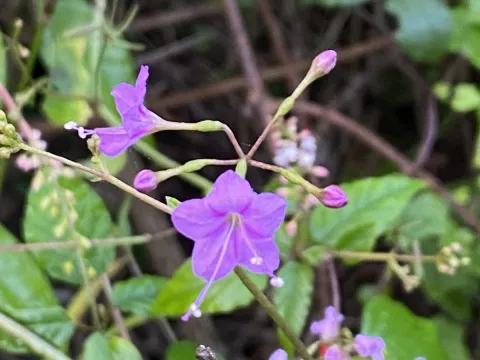
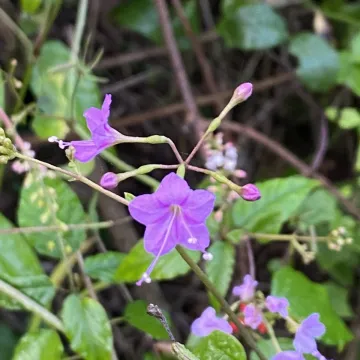
Botanically, Commicarpus chinensis is characterized by its slender, often woody stems and opposite, heart-shaped leaves. Its small, delicate flowers are arranged in umbel-like inflorescences. A notable feature is its glandular fruit, which produces a sticky exudate allowing for effective dispersal via animals. The root system is robust, providing stability and support in arid environments.
Cultivation requires well-drained, sandy or loamy soils with a neutral pH. The plant thrives under full sun and possesses high thermal tolerance. In terms of agronomy, it is critical to provide adequate space for its sprawling growth habit or to utilize trellising systems for vertical cultivation. Water management is essential; irrigation should be moderate to avoid root rot, which is a common risk in waterlogged soil.
Key economic and practical applications include:
- Medicinal use: Extracts from the plant are historically utilized in traditional medicine for their anti-inflammatory properties.
- Soil conservation: Its dense root structure helps stabilize soil and prevent erosion.
- Forage: Utilized as supplementary feed for livestock in semi-arid regions.
- Nutritional potential: Young leaves are occasionally consumed in traditional culinary practices.
Regarding pest and disease management, the crop is susceptible to powdery mildew during periods of high humidity. Insect pests such as aphids and spider mites are the most common threats. Effective control strategies include maintaining good air circulation, proper spacing between plants, and employing integrated pest management (IPM) practices to ensure sustainable yields.
Photo gallery