Commicarpus pentandrus
Commicarpus pentandrus
Description
Commicarpus pentandrus is a perennial herbaceous plant belonging to the Nyctaginaceae family. While not a conventional staple crop, it is recognized for its unique survival strategies in arid climates, making it a subject of interest for sustainable agriculture in desertification-prone regions.
The plant is indigenous to the arid regions of Africa and parts of the Arabian Peninsula. It is typically found in sandy or gravelly soils, demonstrating a high tolerance for low-nutrient substrates and prolonged periods of water scarcity. Its presence in these areas indicates a strong evolutionary adaptation to heat stress.
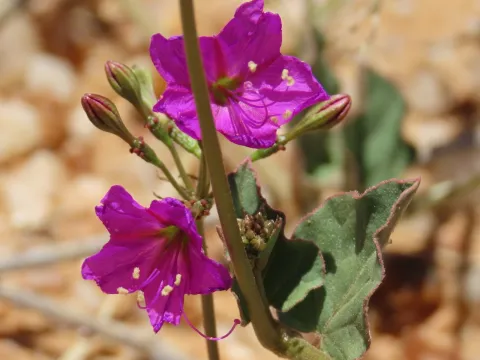
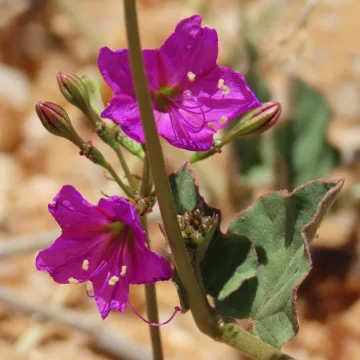
Botanically, it presents as a procumbent or climbing shrub with slender, branched stems. The leaves are typically ovate, and the inflorescence consists of small, delicate flowers that bloom in clusters. The root system is significantly developed, allowing the plant to store energy and survive the dry seasons dormant until the next rainfall triggers new growth.
For successful cultivation, well-draining soil with a neutral to slightly alkaline pH is essential. The crop requires minimal irrigation once established and performs best in full sunlight. Over-fertilization is discouraged, as it can lead to excessive vegetative growth at the expense of general hardiness and root development.
The primary agricultural utility of Commicarpus pentandrus lies in its capacity for rangeland management and as a supplementary forage source in harsh environments. Furthermore, it contributes to soil stability through its extensive root network. While generally robust, it can be susceptible to common garden pests such as aphids and whiteflies, which can be managed through integrated pest control strategies.
Photo gallery