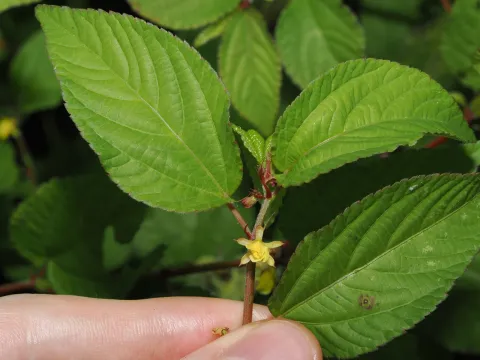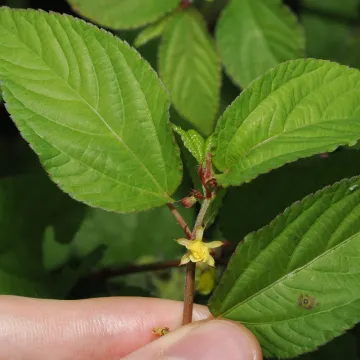
Corchorus aestuans
Corchorus aestuans L.
Description
Corchorus aestuans is an annual herbaceous plant belonging to the Malvaceae family. While it is closely related to the commercially important jute species cultivated for fiber, this particular species is known for its ability to thrive in diverse tropical environments. It is often recognized by its specific fruit structure, which distinguishes it within the genus.
The plant originates from the tropical regions of Africa and Asia, though it has since become naturalized in many parts of the Americas and Oceania. Its natural habitat includes damp areas, disturbed soils, and agricultural fields. This wide geographical distribution highlights the plant's resilience and its competitive nature as a crop capable of establishing itself in various climatic zones.
Botanically, it is characterized by its branching stems and serrated, alternate leaves. The small yellow flowers are typically solitary or arranged in cymes. The most distinct morphological trait is the capsule, which features prominent winged appendages. This unique seed pod structure is critical for taxonomic identification and differentiates it from other members of the genus, such as the more common Corchorus capsularis.
Cultivation requires specific environmental conditions, primarily high temperatures and consistent moisture levels. The plant performs best in well-drained, nutrient-rich soils that retain moisture without becoming waterlogged. Farmers typically sow seeds at the beginning of the rainy season to ensure optimal growth during the vegetative stage. Proper crop management involves managing spacing to prevent competition for light, which is crucial for achieving high fiber yields.
In terms of usage, the plant is primarily harvested for its bast fibers, which are used to produce twine, cordage, and other textile items. In certain rural communities, the young leaves are consumed as a nutritious vegetable, being rich in vitamins and minerals. The plant is generally hardy, but it can be susceptible to fungal root pathogens and various leaf-feeding insects, necessitating proper field hygiene and integrated pest management practices.
Photo gallery