White jute
Corchorus capsularis L.
Description
White jute (Corchorus capsularis L.) is a prominent annual herbaceous plant belonging to the Malvaceae family. It is commercially grown primarily for its bast fiber, which is extracted from the stem and is globally recognized for its durability, biodegradability, and versatility.
The plant is native to the tropical regions of Asia, specifically the Indo-Burma region. Today, the core of its cultivation lies in the alluvial plains of Bangladesh and India, where the combination of high temperatures and intense monsoon rainfall creates an ideal environment for the plant to reach its full height and fiber quality potential.
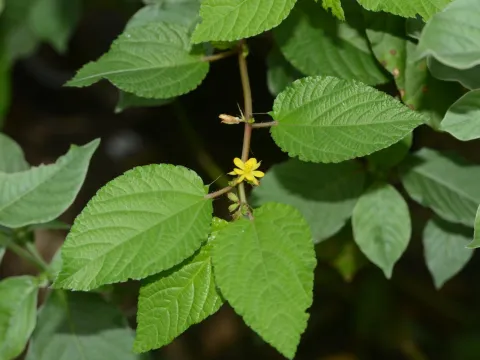
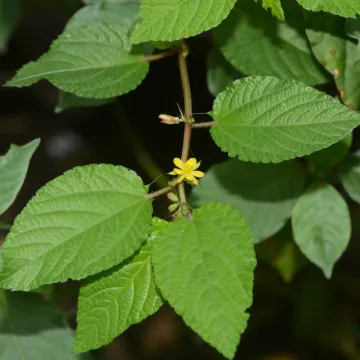
Botanically, the white jute plant features a slender, cylindrical stem that can grow between 2 and 4 meters tall. Its leaves are serrated and lanceolate, while its small yellow flowers are followed by round, wrinkled seed pods. This specific pod shape distinguishes C. capsularis from other species of jute, such as C. olitorius.
Agronomic requirements for white jute are quite specific: it thrives in a warm and humid climate with temperatures ranging from 25°C to 35°C. It prefers rich, loamy, and well-drained soils, often benefiting from the fresh silt deposited by annual river flooding. Proper crop management involves dense sowing to encourage tall, branchless stems, which produce higher quality fiber compared to isolated plants.
The industrial importance of white jute is immense, serving as a renewable raw material for various sectors. Key applications include:
- Production of traditional burlap and hessian cloth for bulk packaging.
- Manufacturing of twine, rope, and industrial cordage.
- Development of eco-friendly geotextiles for soil erosion control.
- Use in the automotive and furniture industries for backing and reinforcement.
The crop is vulnerable to several pests and diseases, including jute stem rot and various aphids. Effective pest management strategies and the use of resistant cultivars are essential to ensure consistent yields and fiber quality throughout the growing season.
Photo gallery