Tossa jute
Corchorus olitorius L.
Description
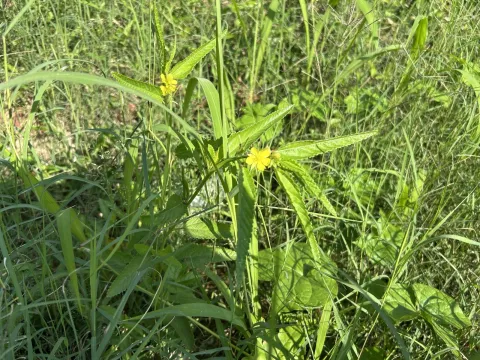
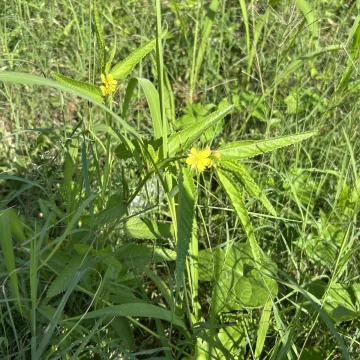
Tossa jute (Corchorus olitorius L.) is an annual herbaceous plant belonging to the Malvaceae family. It is recognized primarily as a vital industrial fiber crop, commonly known as jute, and is also consumed as a nutritious green leafy vegetable in various tropical regions.
Originating in the tropical zones of Africa and Asia, Tossa jute is currently cultivated on a large scale in regions with high humidity and temperature, most notably in Bangladesh and India. The plant thrives in environments that provide a lengthy, hot, and wet growing season.
Botanically, the plant features an erect stem that can grow up to 3 meters tall. Its leaves are serrated and lanceolate, providing a high leaf area index. The flowers are small, yellow, and solitary, while the fruit is a cylindrical, ribbed capsule containing numerous tiny seeds.
Cultivation requires fertile, alluvial, or loamy soil with high moisture retention capacity. The agronomy involves planting in warm temperatures, typically after the first monsoon rains, and maintaining high plant density to encourage the growth of long, straight, branchless stems which produce the highest quality fiber.
The economic significance of Tossa jute spans several sectors:
- Textile production: Used for producing burlap, hessian cloth, and carpet backing.
- Nutrition: The leaves are widely used in traditional cooking for their thickening properties and mineral content.
- Industrial bio-composites: Utilized for eco-friendly packaging and biodegradable agricultural tools.
The crop is susceptible to various pests, including the jute hairy caterpillar and various aphid species that can damage foliage. Disease management is critical, with threats such as stem rot and anthracnose becoming prevalent under conditions of poor soil drainage or high humidity during the maturation phase.
Photo gallery