Rough hawk's-beard
Crepis biennis L.
Description
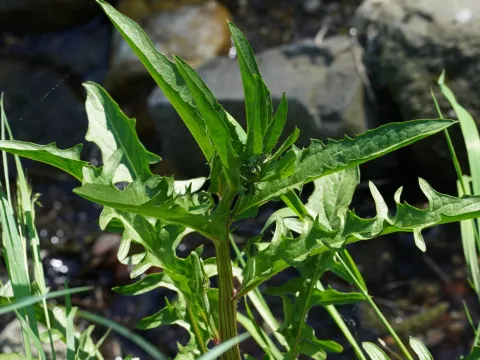
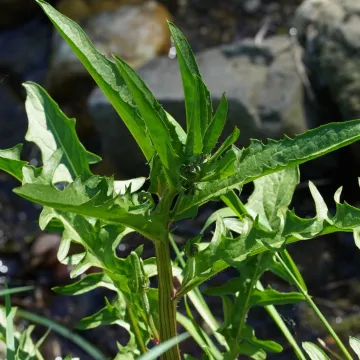
Rough hawk's-beard (Latin: Crepis biennis L.) is a biennial herbaceous plant belonging to the Asteraceae family. It follows a biennial life cycle, developing a basal rosette of leaves in its first year and a tall, flowering stem in the second, which is typical for many pasture-inhabiting plants.
The species is native to Europe and parts of Western Asia, having been introduced to other temperate regions, including North America. It is commonly found in managed grasslands, meadows, and occasionally as a pioneer species on disturbed soils, favoring nutrient-rich and loamy environments.
Botanically, it is distinguished by a deep taproot and a hairy, branched stem that can grow up to 1.2 meters in height. The yellow flower heads are characteristic of the genus and resemble those of dandelions but are significantly smaller and produced in greater abundance on more complex inflorescences.
Agricultural requirements for Crepis biennis include well-drained soils with adequate moisture and good light exposure. It is highly resilient in temperate climates, capable of surviving harsh winters. Field management typically focuses on timing the harvest before the seeds mature to limit its competitive spread in crop fields.
The primary economic use is its contribution to fodder quality in pastures. While it provides beneficial nutrients, it can be considered a weed in intensive crop production due to its aggressive growth. Common phytopathological issues include fungal infections like powdery mildew, particularly in dense stands with poor airflow.
- Nutrient-rich forage for livestock.
- High dispersal efficiency due to wind-aided seeds.
- Resistant to frequent cutting or grazing.
- Prefers calcareous or loamy soil substrates.
Photo gallery