Red hawksbeard
Crepis rubra L.
Description
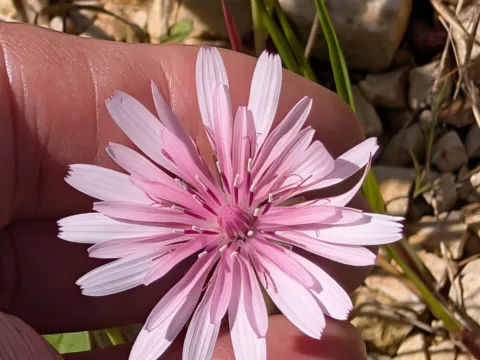
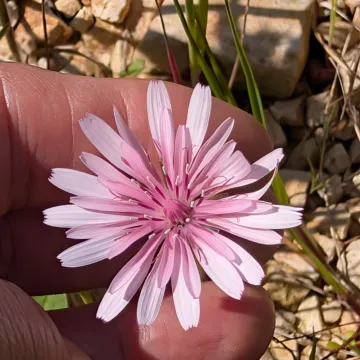
Red hawksbeard (Crepis rubra L.) is an annual herbaceous plant belonging to the Asteraceae family. Unlike many of its relatives in the Crepis genus, which are often considered weeds, this specific species is cultivated intentionally for its ornamental value, particularly due to its striking pink-to-reddish flower heads.
The plant originates from the Mediterranean basin, including parts of Southern Europe and the Middle East. It has evolved to thrive in warm, sunny environments, which makes it well-suited for cultivation in temperate climates as a seasonal bedding plant or a component of naturalistic garden meadows.
Botanically, it features a rosette of basal leaves with pinnately lobed edges and upright, branching stems that reach heights of 20 to 40 centimeters. The plant produces delicate daisy-like flower heads. Its distinct coloration makes it a sought-after choice for those looking for pink-flowered annuals that are relatively easy to establish from seed.
Cultivation requirements involve providing well-drained, sandy or loamy soils with a neutral pH. The plant requires a full-sun location to thrive and reach its full blooming potential. Proper agricultural management includes light watering, avoiding waterlogging, and maintaining soil aeration to prevent root rot, especially in heavier soil types.
The primary use of Crepis rubra is purely ornamental, often utilized in rock gardens, borders, and meadow-style landscaping. In terms of health, the plant is generally robust but can be susceptible to powdery mildew in high-humidity conditions. Common pests such as aphids may occasionally infest the plant, necessitating standard horticultural monitoring and control practices.
Photo gallery