
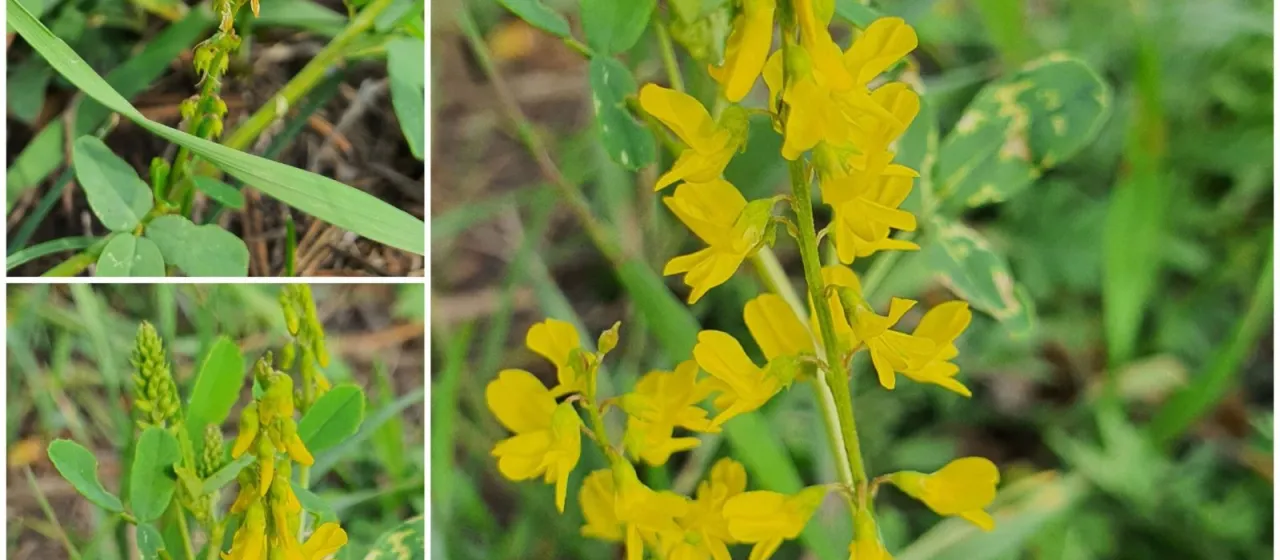
Description
Fragrant sweet clover, scientifically known as Melilotus suaveolens, is a robust herbaceous plant belonging to the Fabaceae family. As a versatile agricultural crop, it is widely recognized for its nutritional value as livestock forage and its significant role as a nitrogen-fixing legume that enhances soil fertility.
Native to East Asia, including regions in China, Mongolia, and the Russian Far East, this species has successfully naturalized in various temperate zones. It is highly valued in agriculture for its ability to thrive in poor soils and adverse environmental conditions where other crops might struggle to establish.
The botanical structure of the plant features a tall, branched stem and characteristic trifoliate leaves, topped with elongated racemes of small yellow flowers. Its deep taproot system is a key feature, allowing the plant to draw nutrients from deep soil layers and maintain productivity during prolonged periods of drought.
Regarding cultivation, fragrant sweet clover prefers well-drained soils with a neutral or slightly alkaline pH. Standard agronomic practices involve scarifying seeds before planting to improve germination rates and ensuring timely weed control during the seedling stage. The crop is remarkably responsive to phosphate fertilizers in nutrient-depleted soils.
Economically, the crop serves multiple purposes: as a high-protein hay or silage for cattle, a green manure for soil conservation, and a high-quality honey plant for apiaries. Farmers must remain vigilant regarding typical threats such as aphids, weevils, and fungal diseases like powdery mildew, managing them through integrated pest control strategies.
- High nitrogen-fixing capacity
- Excellent drought tolerance
- Nutrient-rich forage source
- Beneficial for soil structure improvement