
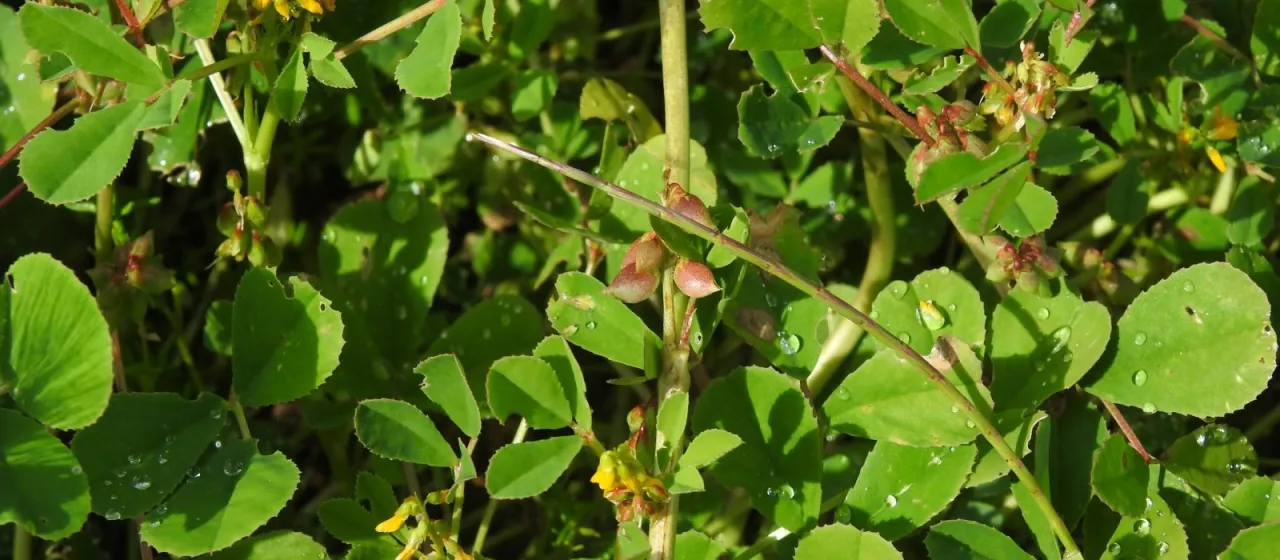
Description
Sicilian sweetclover (Melilotus siculus) is an annual or biennial herbaceous plant belonging to the Fabaceae family. It is gaining recognition in agronomy as a highly salt-tolerant legume, capable of thriving in soil conditions that are typically considered marginal or unsuitable for common crop production.
The species is native to the Mediterranean region and parts of the Middle East. It has evolved to survive in environments characterized by aridity and high salinity, making it a critical research subject for agricultural diversification in areas suffering from secondary soil salinization.
Botanically, it features a robust root system capable of deep soil penetration. The plant produces trifoliate leaves and small, fragrant flowers arranged in racemes. These features allow it to adapt to diverse moisture levels, while its ability to withstand high salt concentrations sets it apart from other Melilotus species.
Agronomic requirements include proper seedbed preparation and adequate moisture during the germination phase to ensure crop establishment. It is highly resilient in alkaline and saline soils. Implementation of appropriate rhizobial inoculation is recommended during sowing to optimize nitrogen fixation and maximize biomass production.
The primary economic uses of Sicilian sweetclover include providing high-protein forage on saline land, improving soil structure through green manuring, and acting as a nectar source for pollinators. While generally hardy, farmers should monitor for standard legume pests and fungal pathogens, especially in high-humidity periods, to maintain high yield levels.