
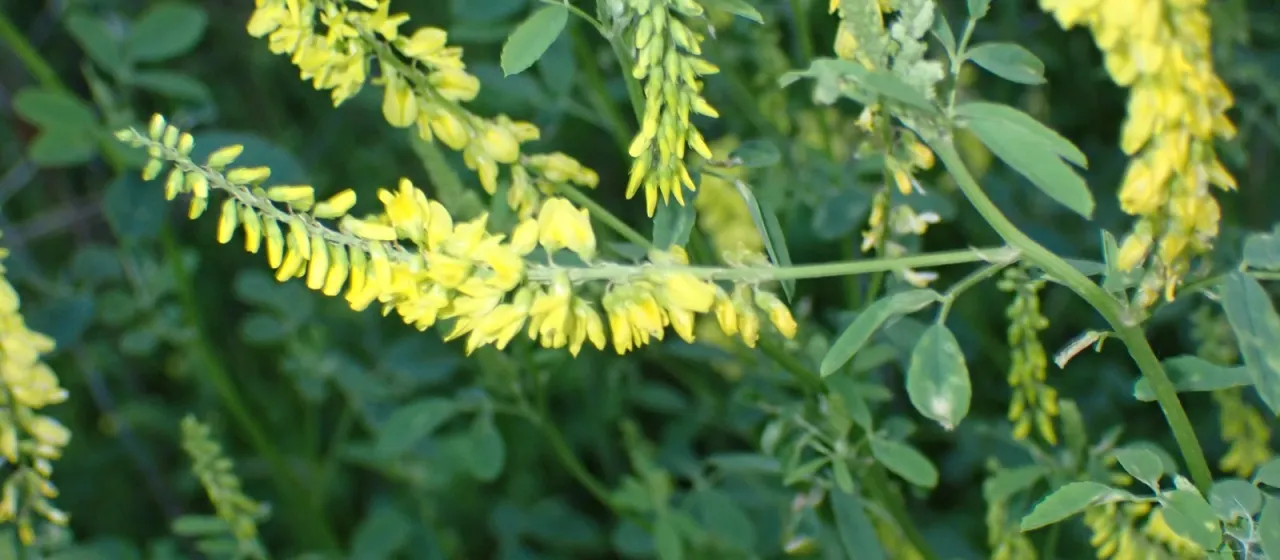
Description
Yellow sweet clover (Latin: Melilotus officinalis) is a prominent agricultural crop belonging to the Fabaceae family. As a hardy biennial legume, it has earned a reputation for being an exceptionally resilient plant, widely recognized for its contribution to soil health improvement and its high value as a forage crop in diverse climatic zones.
Originally native to Europe and Asia, this species has naturalized across many regions of the globe. Its ability to thrive in challenging environments has led to its extensive cultivation in North America and other agricultural hubs where it serves as a robust solution for nitrogen fixation and sustainable land management practices.
From a botanical perspective, the plant features erect, branching stems that can grow up to 1.5 meters in height. Its foliage consists of alternate, trifoliate leaves, and it produces abundant yellow, fragrant flowers arranged in slender racemes. The plant possesses a deep, penetrating taproot system, which is critical for its survival in arid conditions and its ability to improve soil structure.
When it comes to agronomy, yellow sweet clover is prized for its low soil requirements, tolerating saline, rocky, and low-fertility soils where other crops struggle to establish. Successful cultivation involves proper seed scarification to ensure uniform germination. While drought-tolerant, it performs poorly in acidic or waterlogged soils, requiring well-drained conditions for optimal yield.
The economic value of this crop is significant, as it is utilized for hay, silage, and as an excellent green manure crop. Moreover, it is highly sought after in the apiculture industry for honey production. Key pathogens and pests include powdery mildew, Ascochyta leaf spot, and sweet clover weevils, all of which require proactive monitoring to maintain the health and productivity of the fields.