
Description
Olearia macrodonta, commonly known as the New Zealand holly, is an evergreen shrub belonging to the Asteraceae family. Renowned for its resilient nature and attractive, crinkled, holly-like leaves, this plant is a staple in many coastal gardens and temperate landscapes due to its ability to withstand salt-laden winds.
Originating from the islands of New Zealand, this species naturally thrives in diverse habitats ranging from forested mountain slopes to scrublands. Its widespread cultivation in other parts of the world, particularly in mild-climate regions like the UK and Western Europe, has cemented its status as a reliable structural plant for ornamental garden design.
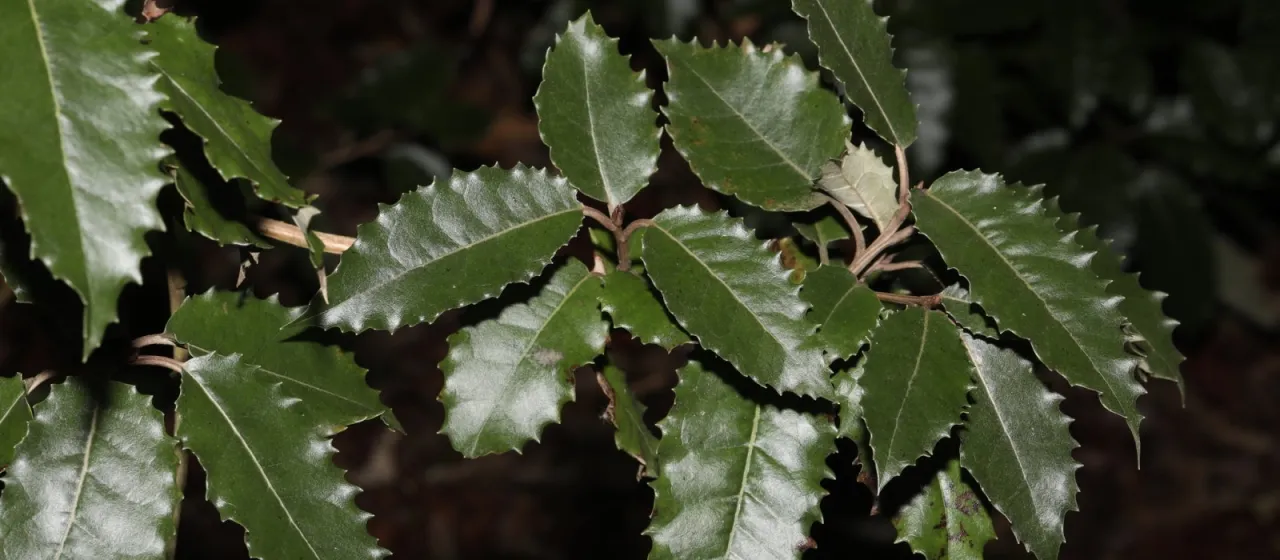
Botanically, the plant is recognized by its silver-green, leathery leaves with distinctive, sharply serrated margins. The underside of the foliage is coated in a dense, felt-like indumentum, which provides its signature silvery appearance. During the early summer months, it produces dense corymbs of small, white, daisy-like flowers that emit a pleasant, musk-like fragrance.
Successful cultivation of Olearia macrodonta requires a site with well-drained, fertile soil and full sun to light shade exposure. While it is tolerant of exposed positions, it prefers some shelter from freezing, drying winds during the coldest winter months. Agronomic maintenance involves light pruning immediately after flowering to maintain shape and the application of a slow-release fertilizer in early spring.
The primary horticultural applications for this shrub include:
- Establishing robust, evergreen windbreaks in coastal gardens.
- Designing formal and informal hedges.
- Acting as a sculptural focal point in shrub borders.
- Providing year-round silvery foliage texture in mixed plantings.
Regarding plant health, Olearia macrodonta is generally hardy but may suffer from powdery mildew in poor air circulation conditions or high humidity. Potential pests include aphids, which may cluster on new growth during the spring. Keeping the plant properly pruned and ensuring the soil remains moist but not waterlogged are the most effective strategies for long-term plant vigor.