
Description
Daisy Bush (Olearia moschata) is an evergreen shrub belonging to the Asteraceae family. Renowned for its striking, silvery-grey foliage, this plant is a staple in architectural gardening. The shrub typically grows in a dense, bushy habit, making it an excellent choice for textured borders or as a low hedge in temperate climates.
The species originates from the mountainous regions of the South Island of New Zealand. Due to its alpine heritage, Olearia moschata thrives in exposed locations with plenty of sunlight and good air circulation. It has evolved to withstand harsh winds and is highly valued for its year-round structural presence in the landscape.
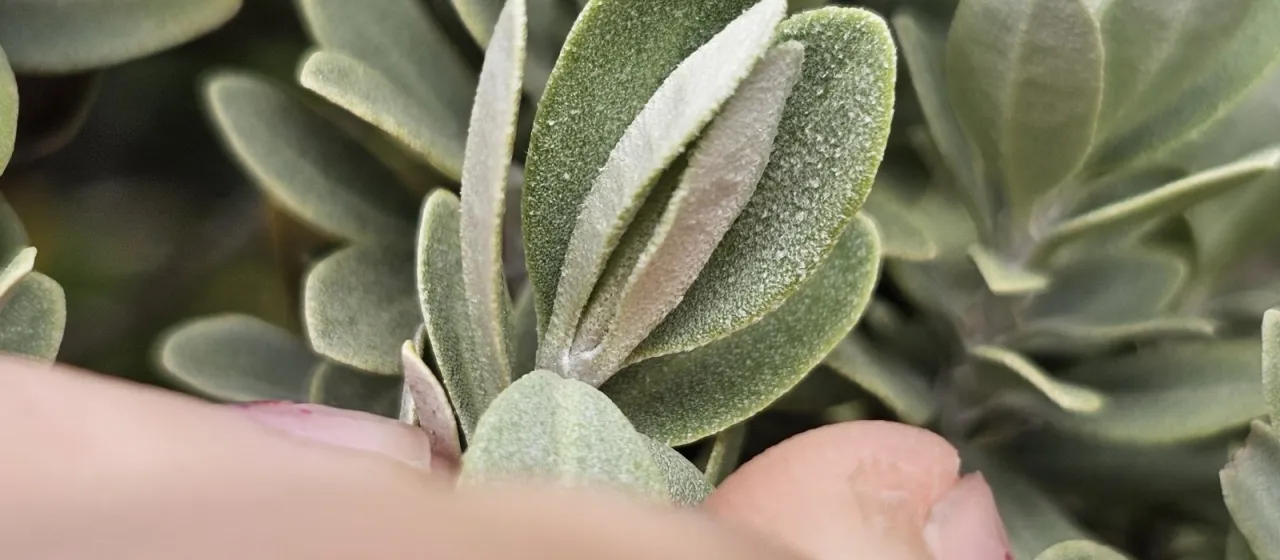
Botanically, the plant is characterized by its small, oval leaves covered in a thick, woolly indumentum that gives them a white, felt-like appearance. The flowers are small, daisy-like heads that bloom in the summer, emitting a distinct, pleasant musky scent when the foliage is disturbed. This combination of visual and olfactory appeal makes it a unique addition to any garden.
Agricultural and gardening requirements for Daisy Bush focus heavily on drainage. The plant is extremely intolerant of waterlogged soil, which can rapidly lead to root rot. It performs best in well-drained, sandy, or rocky soil with a slightly acidic to neutral pH. Proper maintenance includes light pruning after flowering to encourage dense growth and a compact shape.
The primary use of Olearia moschata is ornamental, often utilized in rock gardens, coastal landscapes, or xeriscaping projects. Gardeners should monitor for pests such as spider mites, which can be an issue in hot, dry conditions. To prevent fungal diseases, it is essential to ensure adequate airflow and avoid overhead watering that keeps the foliage excessively damp for long periods.