
Indian Rosewood
Dalbergia latifolia Roxb.
Description
Dalbergia latifolia, commonly known as Indian Rosewood, is a prestigious timber-producing tree belonging to the Fabaceae family. It is globally recognized for its dark, dense, and highly figured heartwood, which remains one of the most sought-after materials in furniture and musical instrument manufacturing.
The species is native to the tropical regions of India and Southeast Asia. It thrives in diverse forest types, ranging from deciduous to semi-evergreen environments. The tree prefers a monsoon climate with a clear distinction between wet and dry seasons, which is crucial for its annual growth rings and wood quality development.
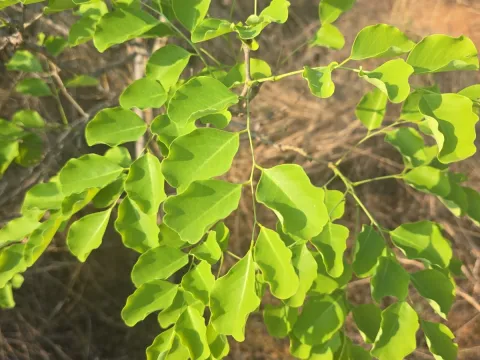
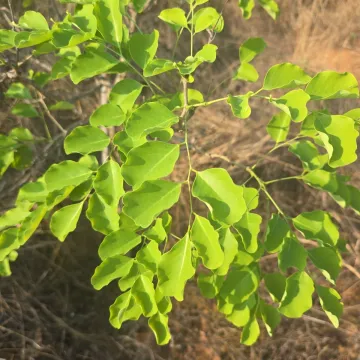
Botanically, it is a deciduous tree that can grow up to 25 meters in height. It features compound, alternate, and smooth leaves. During the flowering stage, the tree produces clusters of small, fragrant white to pale flowers, which later develop into flat, lanceolate seed pods characteristic of the legume family.
In terms of cultivation, Dalbergia latifolia requires deep, well-drained, fertile soil. It is intolerant of waterlogged conditions and prefers areas with good air circulation. Professional silviculture practices involve monitoring soil nutrient levels and providing necessary spacing during initial growth stages to ensure the development of a straight, long trunk.
The main threat to this crop includes root-rot fungi and wood-boring insects, which can severely damage the quality of the harvested timber. Effective pest management requires regular inspections of the plantations and maintaining optimal ecosystem health to prevent outbreaks that could compromise the commercial value of the wood.
Photo gallery