
Brazilian Rosewood
Dalbergia nigra (Vell.) Allemão ex Benth.
Description
Brazilian rosewood, botanically known as Dalbergia nigra, is a prestigious tree species belonging to the Fabaceae family. It is widely recognized for its dark, beautifully figured heartwood, which has been prized for centuries in fine furniture making and musical instrument construction.
The species is endemic to the Atlantic Forest biome of Brazil. Due to historical over-harvesting, it is classified as a vulnerable and endangered species. The natural range is now restricted, and the plant is protected under international regulations to prevent further loss of this precious genetic resource.
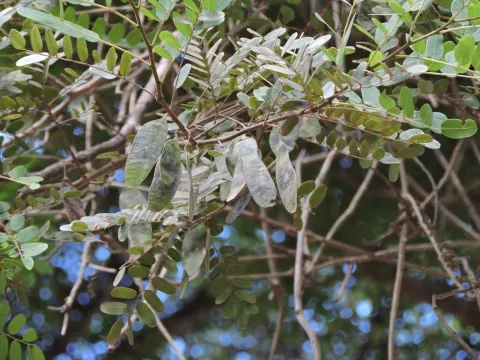
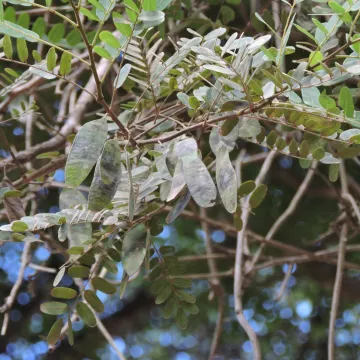
Botanically, it is a slow-growing evergreen tree that features pinnately compound leaves and small, typical legume-type flowers. The wood itself is known for its incredible density, high oil content, and a distinct sweet aroma, which persists even after the wood has been dried and finished.
Cultivation requires specific environmental conditions found in tropical climates, characterized by warm temperatures and consistent rainfall. The tree prefers deep, well-drained, and nutrient-rich soil. In an agricultural context, Dalbergia nigra is considered a long-term crop that demands careful monitoring during the early sapling stage to ensure survival and consistent growth patterns.
The primary use of the timber is in luxury goods, including high-end cabinetry, veneer, and musical instruments. Its tonal properties are particularly celebrated by luthiers worldwide, making it one of the most sought-after woods in existence. Sustainable forestry practices and conservation-led planting are now critical for the survival of the species.
- Highly susceptible to root rot if drainage is insufficient.
- Can be affected by wood-boring insects common in tropical regions.
- Seedling development is vulnerable to competition from invasive grasses.
Photo gallery