Sissoo
Dalbergia sissoo Roxb. ex DC.
Description
Sissoo, scientifically known as Dalbergia sissoo, is a large, fast-growing deciduous tree belonging to the Fabaceae family. Recognized for its excellent nitrogen-fixing properties, it serves as a cornerstone in agroforestry systems throughout South Asia. The tree is highly valued for its ability to thrive in diverse environments, from riverbanks to arid plains, making it a versatile species for land reclamation.
The tree is native to the foothills of the Himalayas and has been naturalized across numerous tropical and subtropical countries. It possesses a wide ecological amplitude, allowing it to adapt to varying precipitation levels and temperature fluctuations. While it prefers warm climates, it exhibits a degree of frost tolerance once it has reached a mature stage of development.
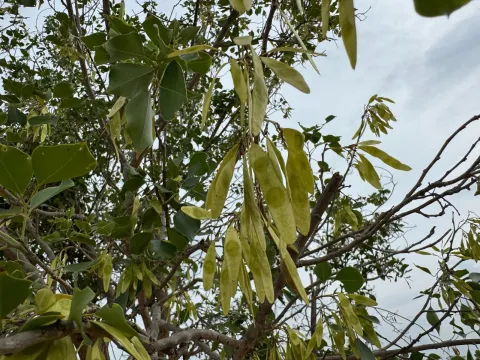
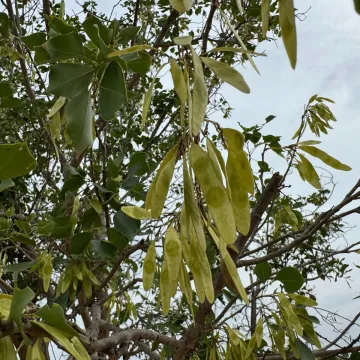
Botanically, Sissoo is characterized by its pinnate leaves and small, yellowish-white flowers that emerge during the spring. The fruit is a thin, strap-shaped pod containing several seeds. Its root system is exceptionally robust, providing deep anchorage and facilitating water uptake, which is a key trait for survival in challenging soil conditions.
Agronomic requirements for successful growth include well-drained, sandy-loam soils. While the species is hardy, proper management during the initial stages is crucial for long-term productivity.
- Maintenance of a clean nursery environment for seedlings.
- Strategic pruning to encourage straight timber growth.
- Regular soil aeration to prevent waterlogging.
The economic significance of Dalbergia sissoo lies primarily in its timber, often marketed as Indian rosewood. It is highly prized for its durability, resistance to shrinkage, and intricate grain patterns, making it a favorite for high-end furniture, flooring, and decorative carvings. Furthermore, its leaves are often used as high-protein fodder for livestock in rural areas.
Pest and disease management is essential to prevent losses in commercial plantations. The most common threats include Fusarium wilt and various defoliators that can impact tree health. Agronomists recommend implementing a prophylactic approach, ensuring good spacing between trees to improve air circulation and minimizing moisture buildup, which effectively reduces the incidence of fungal pathogens.
Photo gallery