Silvery Hairgrass
Deschampsia argentea
Description
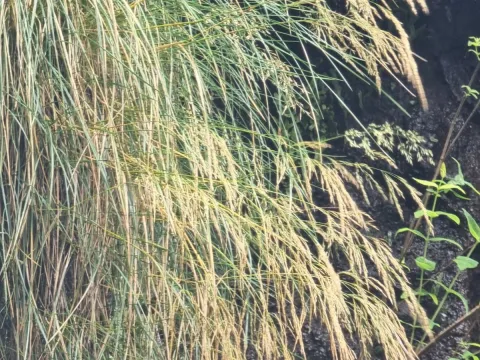
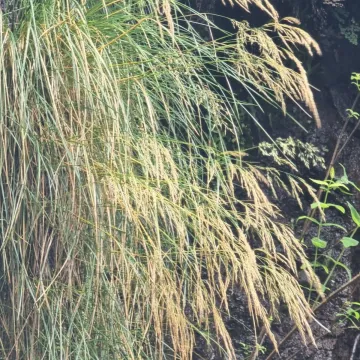
Silvery Hairgrass (Deschampsia argentea) is a perennial grass species within the Poaceae family. It is recognized for its elegant, arching foliage and striking silvery inflorescences that emerge during the mid-summer season, adding significant structural interest to landscapes and natural meadows.
The native distribution of this species is primarily focused on the mountain regions of Southern Europe. Thriving in cool, alpine, or sub-alpine environments, the plant has evolved to withstand short growing seasons, significant temperature fluctuations, and exposure to strong mountain winds.
Botanically, the plant is characterized by a clumping growth habit. Its leaves are thin and wiry, forming dense basal tufts that provide excellent soil erosion control. The flower panicles appear in delicate, silvery-grey hues, which give the plant its common name and distinct visual appeal in late summer.
In terms of agricultural and horticultural requirements, Silvery Hairgrass prefers sites with consistent moisture levels and good drainage. It performs best in nutrient-poor to moderately fertile soils. Unlike many other grasses, it favors semi-shaded environments, making it an ideal choice for northern exposures where sunlight is diffused.
The primary utility of this crop is twofold: it is highly valued for ornamental gardening due to its low-maintenance nature, and it serves as a resilient vegetation cover for stabilization in reclamation projects. While not a primary forage grass, it contributes to biodiversity in highland grazing systems.
- Excellent cold tolerance down to USDA zone 4.
- Low susceptibility to common pests, provided soil drainage is adequate.
- Requires division every 3-5 years to maintain vigor and prevent center dieback.
Photo gallery