Slender hairgrass
Deschampsia elongata
Description
Slender hairgrass (Deschampsia elongata) is a perennial grass species belonging to the Poaceae family. Known for its tufted growth habit, this grass is a valuable component of grassland ecosystems, recognized for its ability to persist in diverse environmental conditions while maintaining soil integrity.
The native range of Deschampsia elongata extends across western North America, spanning from Alaska down to California and into parts of Mexico. It typically thrives in moist environments, including riparian zones, wetlands, and damp meadows. Its natural adaptation to these areas makes it a reliable candidate for revegetation projects in similar climates.
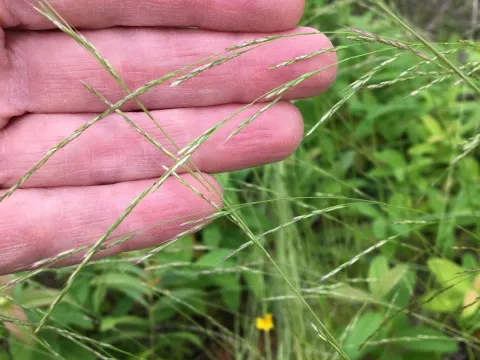
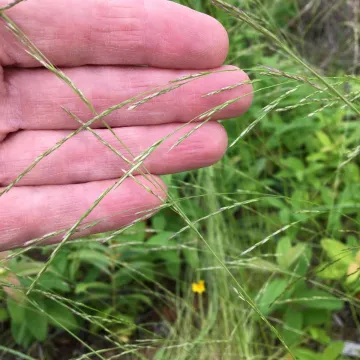
Botanically, the plant is characterized by slender, basal leaves and tall, erect stems that bear elongated, often nodding panicles. This distinct inflorescence shape is a key identification feature. The root system is fibrous and dense, providing excellent soil binding properties, which is essential for stabilizing unstable ground or preventing surface erosion.
Agronomic management of slender hairgrass requires attention to moisture levels, particularly during the establishment phase. While it can adapt to various soil types, it performs best in well-drained, slightly acidic to neutral soils. Proper seedbed preparation is crucial to ensure good soil-to-seed contact, as the seeds are relatively small and need careful placement for optimal germination.
The economic value of this species is expressed through several practical applications:
- Forage production for livestock, where it serves as a palatable grazing grass.
- Soil stabilization and erosion control on disturbed sites or riparian buffers.
- Ornamental use in native planting schemes and meadow restoration projects.
In terms of plant health, potential challenges include fungal infections related to excessive humidity, such as rusts or mildews, if airflow is restricted. Common pests include various grass-feeding insects, such as aphids or stem-boring larvae. Effective management involves monitoring for early symptoms, ensuring proper density in stands, and employing cultural control measures to limit disease spread.
Photo gallery