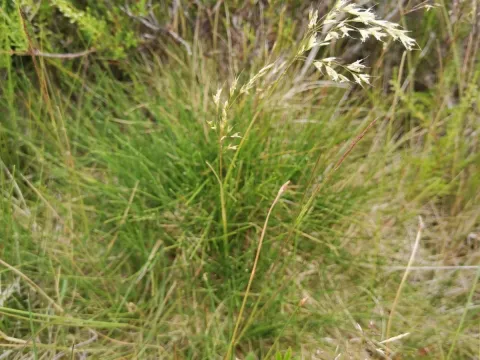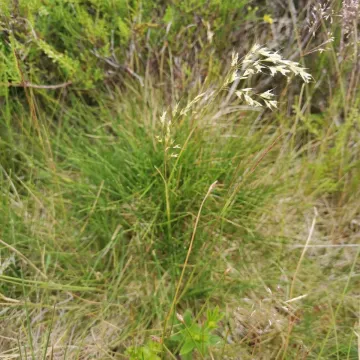
Deschampsia foliosa
Deschampsia foliosa
Description
Deschampsia foliosa, commonly referred to in botanical literature as a leafy hairgrass species, is a perennial grass belonging to the Poaceae family. This species is distinguished by its high foliage density, which differentiates it from its common relatives in the Deschampsia genus, making it a subject of interest for both forage production and ecological restoration.
The plant is native to the Azores, where it thrives in specific insular climatic conditions characterized by high humidity and temperate temperatures. Its natural distribution is primarily tied to mountainous grasslands, where it serves as a crucial component of the local vegetation, providing ground cover and preventing soil degradation.
Botanically, it is a tufted grass characterized by stiff, linear leaves that provide high tensile strength. The root system is fibrous and deep-reaching, allowing the plant to secure itself in various soil types. The inflorescence consists of panicles that are often visually distinct due to the presence of shiny glumes, typical of the genus.
In terms of cultivation, Deschampsia foliosa prefers cool, moist climates with well-drained, slightly acidic to neutral soils. Agrotechnical management should focus on maintaining adequate soil moisture levels and avoiding overgrazing during the establishment period. It does not require intensive fertilization, making it a low-input option for grassland management.
The primary agricultural use involves utilizing the grass in grazing systems, particularly in regions where environmental conditions mimic its natural habitat. Its persistence and ability to recover after defoliation make it a reliable source of green mass. Additionally, it has potential applications in landscape stabilization projects due to its root structure.
- Excellent soil erosion control properties
- High biomass production in cool climates
- Significant resilience to grazing pressure
- Low maintenance requirements
The species is generally robust, but it can be susceptible to fungal pathogens such as leaf rust if airflow is restricted or humidity is excessively high for prolonged periods. Common pests affecting this grass include stem-boring insects and cereal aphids, although the plant's structural toughness often limits the impact of these infestations in well-managed plots.
Photo gallery