Silky bluegrass
Dichanthium sericeum (R. Br.) A. Camus
Description
Silky bluegrass (Dichanthium sericeum) is a perennial grass species belonging to the Poaceae family. Recognized for its resilience and adaptability, this plant serves as a vital forage crop in various warm-climate agricultural systems, particularly in regions where drought tolerance is a critical requirement for sustainable land use.
Native to Australia, silky bluegrass has successfully expanded its range across many tropical and subtropical areas worldwide. It is primarily found in open woodlands and grasslands, where it often forms dense, productive stands. Its ability to colonize disturbed areas makes it a valuable candidate for soil restoration projects and erosion control programs.
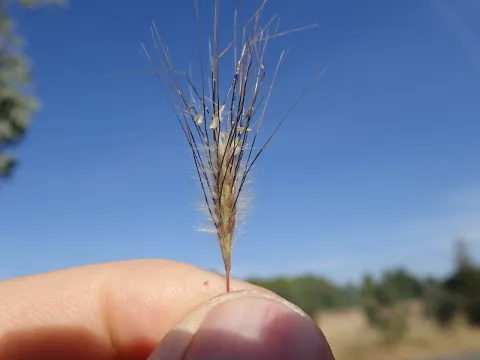
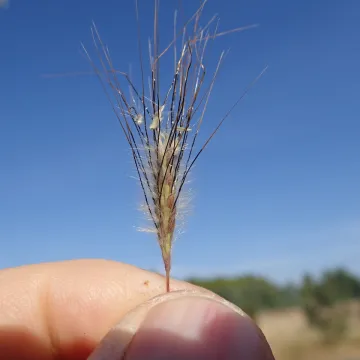
Botanically, the plant is characterized by its tufted growth habit and distinctively silky-haired racemes, which give it a unique appearance during the flowering stage. The culms can reach significant heights, and the species possesses a robust root system capable of penetrating compacted soils, which supports its survival during prolonged dry seasons.
Regarding climate and soil, this grass thrives in sunny environments with well-drained loamy or clay soils. Agronomic management involves optimizing grazing pressure to prevent overgrazing, as well as applying periodic fertilization to maintain high yields. It is highly responsive to summer rainfall, which triggers rapid growth cycles, making it ideal for rotational grazing systems.
In agricultural practice, silky bluegrass is primarily utilized as livestock forage. It provides high-quality nutrients when harvested at the vegetative stage, supporting cattle and sheep productivity. While generally hardy, farmers must be aware of potential issues such as fungal pathogens, particularly leaf rust, and the necessity to manage competing invasive weeds in newly established stands.
- Excellent drought tolerance for arid regions.
- High palatability for grazing livestock.
- Effective for stabilizing soil against erosion.
- Responsive to nitrogen fertilization for biomass production.
Photo gallery