Queensland bluegrass
Dichanthium sericeum (R. Br.) A. Camus subsp. sericeum
Description
Queensland bluegrass (Dichanthium sericeum subsp. sericeum) is a perennial grass species belonging to the family Poaceae. It is a highly valued forage plant, particularly recognized for its resilience in warm, seasonally dry climates. This species is native to Australia and has become a staple of grazing systems, known for its ability to provide nutritious feed when other grasses may become dormant.
The plant originates from the tropical and subtropical regions of Australia. Due to its hardiness, it has spread or been introduced to various parts of the world where similar climatic conditions prevail. Its ecological niche is characterized by open woodlands and grasslands, where it often forms a significant component of the native herbaceous layer.
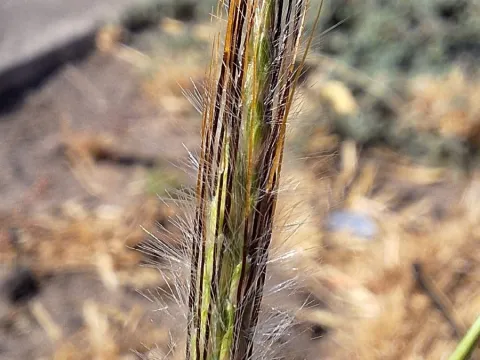
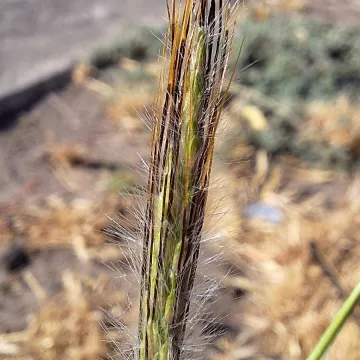
Botanically, Queensland bluegrass is a tufted perennial that can grow between 60 and 90 centimeters tall. Its culms are often silky or hairy, giving the plant its distinct appearance. The root system is robust, which provides the plant with excellent drought tolerance and stability, allowing it to re-establish quickly once the rain arrives after a long dry spell.
Agricultural management requires understanding the grass's growth cycle. It thrives in soils ranging from sandy loams to heavy clays and is notably tolerant of moderate salinity. Successful cultivation involves rotational grazing management to ensure that the plant retains enough leaf area for photosynthesis, which supports root energy storage and long-term productivity.
Economic importance and key benefits of the species include:
- High palatability and nutritional value for grazing livestock.
- Strong drought resistance compared to many other introduced grasses.
- High biomass production during the warm growing season.
- Excellent ground cover capabilities, which help prevent soil erosion.
The main challenges regarding plant health involve susceptibility to fungal infections, particularly leaf rust, under conditions of high humidity or poor airflow. Insect pests can also impact the yield, requiring farmers to monitor the crop regularly. Maintaining a balanced stocking rate and avoiding overgrazing are the most effective management strategies to keep the stand vigorous and healthy.
Photo gallery