Dicranella varia
Dicranella varia
Description
Dicranella varia is an acrocarpous moss species belonging to the Dicranellaceae family. In the agricultural landscape, it is recognized primarily as a pioneer species that colonizes bare, moist, and mineral-rich substrates. Its presence is highly significant for agronomists as it indicates specific local soil conditions, such as high moisture content or structural disturbances.
The distribution of this species spans across the Northern Hemisphere, appearing in diverse habitats from wetlands to agricultural edges. It is particularly common in areas where the soil has been disrupted, such as drainage ditches, compacted field paths, and exposed clay banks, where it thrives by quickly covering the surface and stabilizing the fine particles of soil.
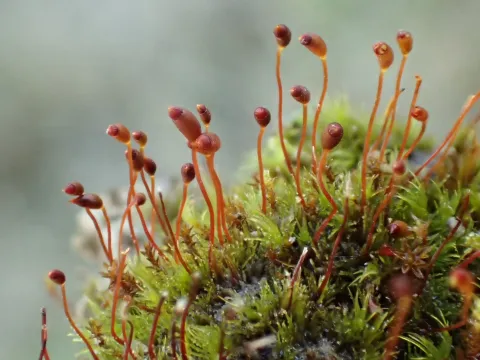
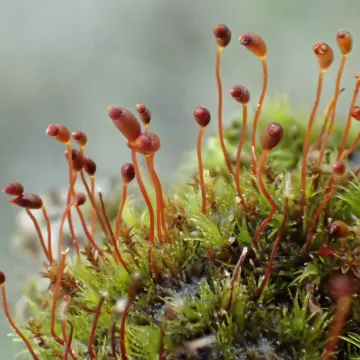
Botanically, Dicranella varia forms yellowish-green tufts. The stems are relatively short, with narrow, lanceolate leaves that often appear falcate (curved). A distinguishing feature for identification is the sporophyte, characterized by a bright red seta and a small, often nodding capsule, which is typical for the genus in favourable growing seasons.
Regarding cultivation requirements and environmental needs, the moss is strictly moisture-dependent. It prefers neutral to slightly acidic soils and can withstand temporary flooding. It is not an agricultural crop, but its presence is useful in land management as it highlights areas that may require improved drainage or soil aeration to support standard crop production effectively.
There are no specific pests or diseases that target Dicranella varia in a way that would concern agricultural production. It acts as an ecological filler. The primary management strategy, if its presence is undesired, involves altering the micro-environment:
- Improving surface drainage to reduce excessive humidity.
- Increasing soil porosity through mechanical tillage.
- Managing competing vegetation through proper fertilization.
Photo gallery