Smooth crabgrass
Digitaria ischaemum
Description
Smooth crabgrass (scientific name: Digitaria ischaemum) is an annual grass species belonging to the Poaceae (grass) family. While often identified as a problematic weed in row crops and turf, it is botanically recognized for its rapid growth and adaptation to various soil conditions, characteristic of the genus Digitaria.
Originating from Eurasia, this species has successfully naturalized across North America and other temperate regions globally. It thrives in open, sunny environments and is particularly prevalent in disturbed soils, cultivated fields, and managed turfs. Its ability to tolerate low soil fertility allows it to colonize areas where other grasses might struggle.
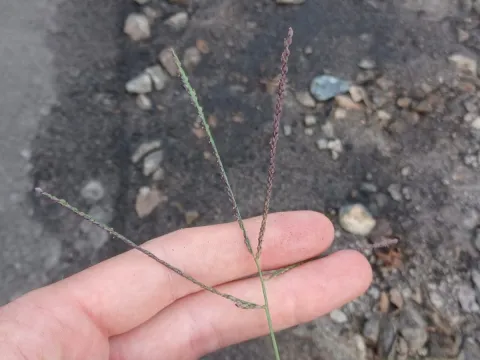
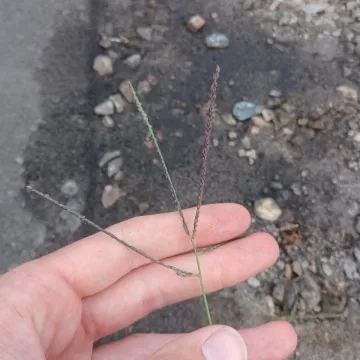
Botanically, it is a prostrate to decumbent grass with stems that can root at the lower nodes, providing stability and potential for vegetative expansion. The leaves are smooth, flat, and typically hairless, distinguishing it from large crabgrass. The inflorescence consists of several slender, finger-like racemes, which produce a high quantity of small, light seeds easily dispersed by agricultural activities.
Regarding climate and soil, the plant prefers warm conditions and moisture during germination, though established plants exhibit moderate drought tolerance. Agrotechnical management requires a combination of cultural practices, such as maintaining dense crop canopies to shade the soil, and chemical control using pre-emergence or post-emergence herbicides. Preventing seed bank accumulation is essential for long-term field management.
Economically, the plant is primarily managed as a weed due to its aggressive competition for water and nutrients with major crops like corn, soybean, and vegetable varieties. In some forage systems, it is considered a palatable component of summer grazing, although it lacks the high yield potential of dedicated forage grasses. Typical pests and diseases include cereal rusts and various aphid species that colonize the succulent vegetative tissues.
Photo gallery