Dorycnium herbaceum
Dorycnium herbaceum
Description
Dorycnium herbaceum is a perennial herbaceous plant belonging to the Fabaceae (legume) family. Recognized for its resilience and adaptability, this species is increasingly studied as a viable crop for marginal lands, providing both soil stabilization and biomass production in difficult climatic conditions.
The native range of this plant includes Southern and Central Europe, as well as Mediterranean regions. It is well-suited for temperate to semi-arid environments. The species has historically been utilized in regions where high water availability is not guaranteed, making it a sustainable choice for farmers looking to diversify their forage crop portfolios.
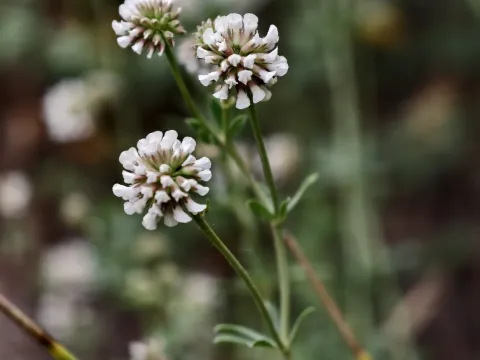
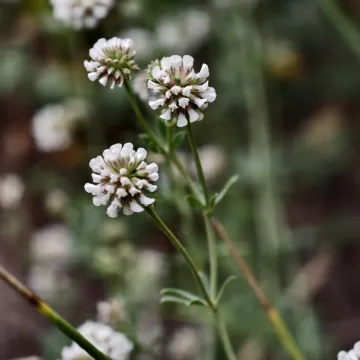
Botanically, Dorycnium herbaceum features a shrub-like growth habit with intricate, compound leaves and small, white flowers clustered in heads. The plant possesses a deep, robust root system, which is a key adaptation for nutrient extraction and drought avoidance. Its ability to fix atmospheric nitrogen improves soil fertility, benefiting the growth of subsequent crops in a rotation.
Agricultural requirements are relatively low compared to intensive grain crops. The plant thrives in well-drained, neutral to alkaline soils and requires full sun for optimal development. Sowing should occur in early spring. Once established, it demonstrates high competition against invasive weeds, reducing the need for chemical herbicides and intensive field maintenance.
Major areas of agricultural and industrial application include:
- Forage production for livestock, providing a source of high-quality protein.
- Apiculture, as the plant serves as a reliable source of nectar for honeybees.
- Soil erosion control on hillsides and degraded industrial lands.
- Restoration ecology, used as a pioneer species in revegetating arid environments.
Disease and pest management primarily focus on preventing waterlogged conditions, which are the main cause of root pathogens. While it is generally hardy, crops can occasionally be affected by specific weevils or leaf-eating insects. Maintaining healthy soil structure and ensuring proper drainage are the most effective strategies to prevent outbreaks and ensure long-term crop productivity.
Photo gallery