Description
Dorycnium rectum is a perennial herbaceous plant or subshrub belonging to the Fabaceae family. In agricultural and scientific contexts, this plant is recognized for its potential as a forage resource and its ability to thrive in specific Mediterranean-type climates, contributing to the diversity of legume-based forage crops.
The origin of this species is traced to the Mediterranean basin, Southern Europe, and parts of Western Asia. It is naturally adapted to regions with warm, mild winters and relatively dry summers. While it is often found in the wild, its utility as a forage crop has led to interest in evaluating it for sustainable agricultural systems in similar ecological zones.
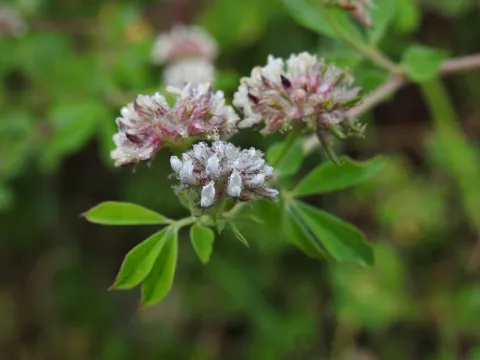
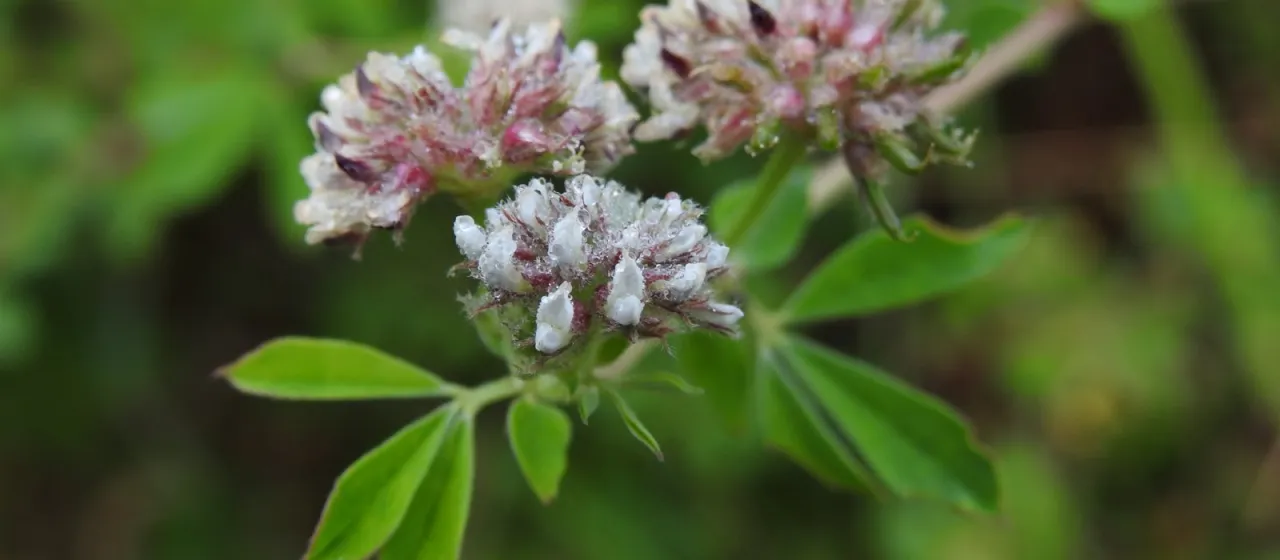
Botanically, Dorycnium rectum is characterized by its upright stems that can grow up to 1.5 meters in height. The plant features compound leaves with five leaflets and produces small, whitish to pinkish flowers grouped in head-like inflorescences. Its deep-reaching root system is a critical adaptation, allowing it to remain productive during periods of low moisture.
Regarding agronomic requirements, the plant prefers well-drained soils and thrives in locations with full sun exposure. It is well-suited to neutral to slightly alkaline soils. Agricultural management includes standard practices for perennial legumes: preparing the seedbed, timely sowing during early spring, and periodic cutting to promote vigorous regrowth and prevent the plant from becoming too woody over time.
The primary agricultural use of this plant is as a source of high-protein forage for livestock, whether harvested as fresh green fodder or preserved as hay. Furthermore, like many legumes, it facilitates nitrogen fixation through its association with symbiotic bacteria, making it an excellent candidate for crop rotation strategies aimed at increasing soil fertility without heavy reliance on synthetic fertilizers.
- Excellent protein source for forage.
- Nitrogen-fixing capabilities for soil enrichment.
- High resilience to drought conditions.
- Supports local biodiversity as a melliferous plant.
The plant can be susceptible to common legume pests, such as aphids and various weevils that feed on the foliage and buds. Diseases like root rot may occur in poorly drained soils or conditions with excessive moisture. Sustainable management strategies, including monitoring and appropriate soil drainage, are essential for maintaining healthy and productive stands of Dorycnium rectum.
Photo gallery