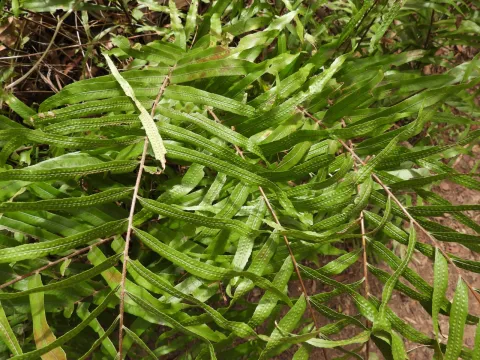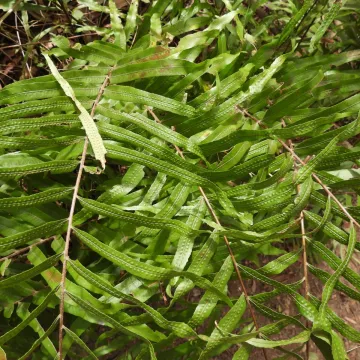
Drynaria rigidula
Drynaria rigidula
Description
Drynaria rigidula is a striking perennial epiphytic fern belonging to the Polypodiaceae family. Known for its distinct growth habit, this species features a unique morphology consisting of two types of fronds: specialized nest fronds (sterile) that collect organic matter, and foliage fronds (fertile) that produce spores. This adaptation makes it a fascinating specimen for both botanical study and exotic gardening.
Native to the tropical regions of Southeast Asia, Australia, and the Pacific Islands, this fern typically grows in the canopy of rainforests. It is an epiphyte, meaning it attaches itself to tree branches to access light, drawing nutrients from decaying matter caught in its nest fronds. In cultivation, it is highly prized for its architectural form and is commonly grown in hanging baskets or mounted on wooden slabs.
The plant possesses a robust, creeping rhizome covered in brown scales. The sterile fronds are often oak-leaf-shaped or rounded and become papery and brown over time, creating a "nest" that acts as a compost bin. The fertile fronds are pinnate, tough, and leathery, arching gracefully from the rhizome. Spores are borne in small, organized clusters called sori on the underside of these fertile fronds.
Successful cultivation requires replicating a humid, shaded, and well-ventilated environment. Drynaria rigidula thrives in temperatures between 18°C and 24°C and requires a very loose, chunky, and well-draining medium. An ideal substrate consists of orchid bark, sphagnum moss, and charcoal. Because it is sensitive to root rot, the medium should never stay waterlogged, and humidity levels must remain high to mimic its natural habitat.
Regarding its utility, Drynaria rigidula is primarily an ornamental species used in interior landscaping, greenhouses, and tropical garden designs. Its ability to grow without soil makes it an excellent choice for vertical gardens. While not a commercial crop in the traditional agricultural sense, it remains a valuable component of the horticultural trade and private botanical collections worldwide.
- Light: Bright, indirect light; avoid direct sun.
- Temperature: Warm and stable, avoid cold drafts.
- Substrate: Highly porous mix suitable for epiphytes.
- Propagation: Rhizome division or spores.
Common pests include scale insects and spider mites, particularly if the air becomes too dry. Root rot is the most significant health issue, usually triggered by overwatering or poor drainage. To ensure plant vitality, maintain high ambient humidity, provide regular but careful watering, and inspect the fronds periodically for signs of pest infestation.
Photo gallery