Viper's bugloss
Echium vulgare L.
Description
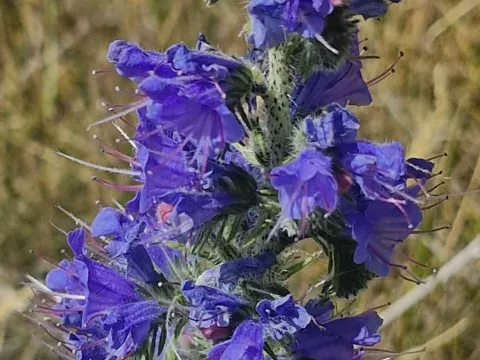
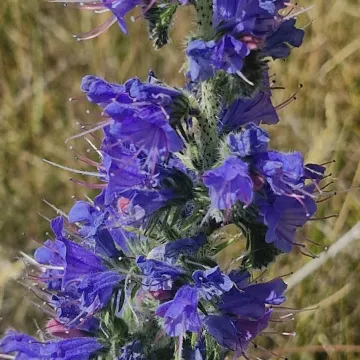
Viper's bugloss (lat. Echium vulgare L.) is a biennial herbaceous plant belonging to the Boraginaceae family. Known for its rugged adaptability, this plant is primarily cultivated in modern agriculture as a premium honey crop. It typically grows as a rosette in its first year and produces flower spikes in the second year, showcasing bright blue to purple blooms.
Originating from Europe and Western Asia, Viper's bugloss has naturalized across many regions of the world, including North America and parts of Australia. It is highly valued for its ability to thrive in poor, rocky, or sandy soils where other crops often fail. This makes it an ideal candidate for land reclamation, soil erosion control, and the restoration of degraded agricultural landscapes.
Botanically, the plant is characterized by a strong, deep taproot that allows it to access subsoil moisture during drought conditions. The stem is covered with stiff, bristly hairs, providing protection against browsing animals and harsh winds. Its inflorescences are dense, helical cymes that bloom progressively, which significantly extends the nectar production period for bees throughout the summer season.
Regarding cultivation, Viper's bugloss requires minimal agronomic intervention. It prefers full sun and well-drained soil. Seeding is typically performed in early spring. Since the plant can be competitive, it is important to manage weed density during the initial establishment phase. No complex fertilization is required, as the plant efficiently extracts necessary nutrients from the soil profile, contributing to its low-input production profile.
Primary areas of use include:
- Apiculture: It is renowned for its high nectar secretion and production of premium-quality honey.
- Soil stabilization: Used to prevent wind and water erosion on slopes.
- Biodiversity enhancement: Supports a wide range of pollinator species in rural ecosystems.
- Green manure: Helps improve soil structure through the decay of its deep root system.
While the plant is generally resistant, pests such as weevils or certain aphid species may occasionally affect its development. Diseases are rarely a significant concern, although fungal infections like powdery mildew can occur in areas with poor air circulation or excessive humidity. Due to its hardiness, Viper's bugloss remains a highly reliable choice for farmers looking to diversify their land use.
Photo gallery