
Alpine Encalypta
Encalypta alpina
Description
Alpine Encalypta (Encalypta alpina) is a moss species belonging to the Encalyptaceae family. While not categorized as a traditional commercial crop, it represents a specialized component of alpine flora that plays a crucial role in soil stability and the biodiversity of mountain ecosystems worldwide.
The species is distributed across arctic and alpine regions of the Northern Hemisphere. It thrives in high-altitude environments, typically colonizing calcareous rock crevices and stony slopes where other types of vegetation struggle to establish. Its presence is often linked to limestone-rich soils that offer a stable chemical environment.
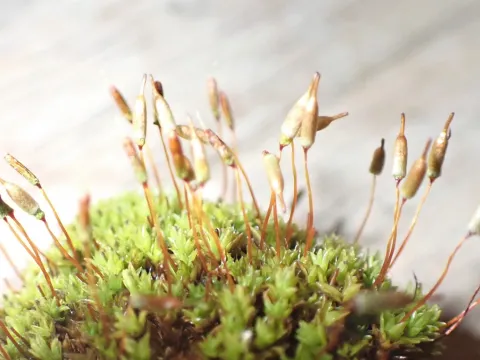
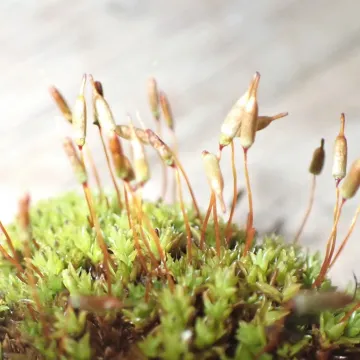
Botanically, this moss forms dense cushions or turfs. The leaves are generally lingulate or spatulate, with a prominent costa that extends to the leaf tip. The defining feature of the genus is the calyptra, a hood-like structure that covers the moss capsule during development, which is particularly long and cylindrical in this species.
In terms of growing requirements, the species favors cool, moist conditions with ample exposure to light, though it is adapted to short, intense growing seasons. It is not cultivated using standard agronomic practices; rather, it is studied in its natural habitat for its physiological adaptations to extreme temperature fluctuations and UV radiation levels.
The plant has no direct commercial agricultural use, but it serves as an essential indicator of environmental health and climate change impacts in highland areas. As a bryophyte, it lacks vascular systems for nutrient transport typical of higher crops, meaning it is immune to traditional crop pests, yet it remains highly sensitive to heavy metal pollution and soil chemical degradation.
Photo gallery