Encalypta rhaptocarpa
Encalypta rhaptocarpa
Description
Encalypta rhaptocarpa is a species of moss belonging to the Encalyptaceae family. While not a commercial agricultural crop, it is a significant subject of botanical research, particularly in the study of bryophytes inhabiting extreme northern and high-altitude environments.
The species possesses a circumpolar distribution, thriving in arctic and alpine regions across the Northern Hemisphere. It is most commonly found in habitats such as rocky outcrops, limestone crevices, and open tundra areas where it demonstrates remarkable resilience to harsh cold and desiccation.
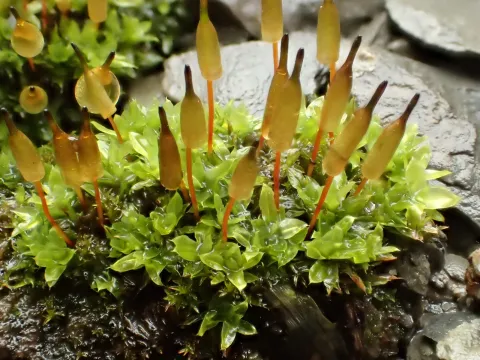
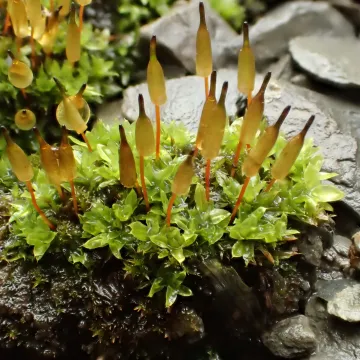
The primary diagnostic feature of this moss is its sporophyte, specifically the capsule, which features distinct longitudinal ribs or furrows. This morphology, combined with the presence of a persistent calyptra, allows the moss to protect its reproductive structures during the short and unpredictable growing seasons of high latitudes.
Regarding its role in the environment, Encalypta rhaptocarpa serves as a pioneer species on calcareous soils. It plays a vital role in soil stabilization and moisture retention, creating a micro-environment that supports the establishment of other specialized arctic flora.
Potential areas of interest include:
- use in environmental monitoring and pollution assessment;
- scientific research into plant cold-hardiness and genetic adaptation;
- conservation of fragile arctic ecosystems and botanical diversity.
There are no pests or diseases that affect this moss in an agricultural sense, as it does not grow in managed environments. The main threats to its population are anthropogenic disturbances to its native habitat, air quality changes, and the competitive encroachment of other vegetation due to climate shifts.
Photo gallery