Fringed extinguisher moss
Encalypta ciliata
Description
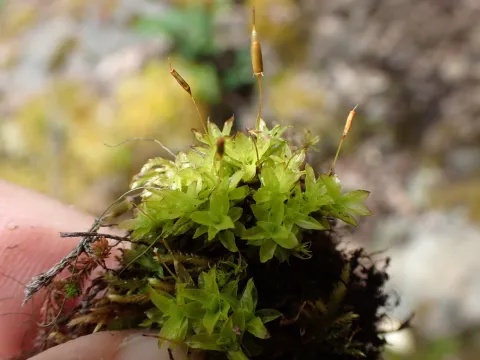
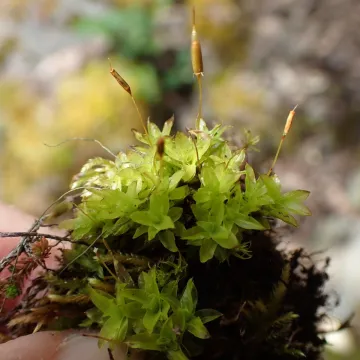
Encalypta ciliata, commonly known as the fringed extinguisher moss, is a species of moss within the Encalyptaceae family. While not a commercial agricultural crop, this bryophyte serves as a crucial ecological component in various habitats, contributing to soil stabilization and micro-habitat creation for soil microorganisms.
This moss is distributed across a wide range of temperate and arctic zones in the Northern Hemisphere. It is typically found in natural environments characterized by rocky outcrops, limestone crevices, and mineral-rich soils. Its presence is often linked to areas with sufficient moisture and exposure to light, avoiding heavily shaded or acidic forest floors.
Botanically, the species is defined by the unique structure of its calyptra, which features distinct cilia along the base. This gives the moss its characteristic appearance under a microscope. It grows in small, dense tufts that are bright to deep green, exhibiting resilience to freezing and desiccation through dormant life stages.
Environmental requirements include a preference for neutral to alkaline substrates, making it a specialized plant. In terms of research, it is studied for its ability to reflect soil mineral composition. It does not require artificial agronomic interventions like irrigation or fertilization, as it is fully adapted to the nutrient cycling within its native ecosystem.
In terms of practical application, it is primarily used in specialized botanical studies and restoration projects for alpine or rocky landscapes. It has no common pests or diseases that impact human food security, as it occupies an ecological niche independent of industrial cultivation systems. It remains an important subject for understanding bryophyte evolution and climate adaptation.
Photo gallery