Description
Eremogone rigida is a perennial herbaceous plant belonging to the Caryophyllaceae family. Known for its cushion-forming habit, this species is well-adapted to rugged, high-altitude environments. Within the context of agricultural and landscape cultivation, it is valued for its hardiness, drought tolerance, and ability to thrive in poor, rocky soils where other species would struggle.
The plant originates from the arid mountain regions of Central Asia. Its natural habitat includes rocky slopes and stony outcrops, which has shaped its physiology to be highly efficient in water management and resilient to extreme temperature fluctuations. In professional landscaping, it is utilized as an ornamental ground cover that provides structural interest throughout the growing season.
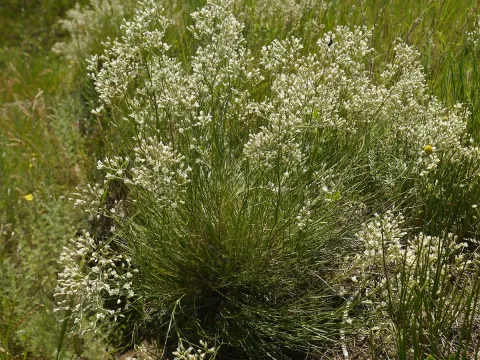
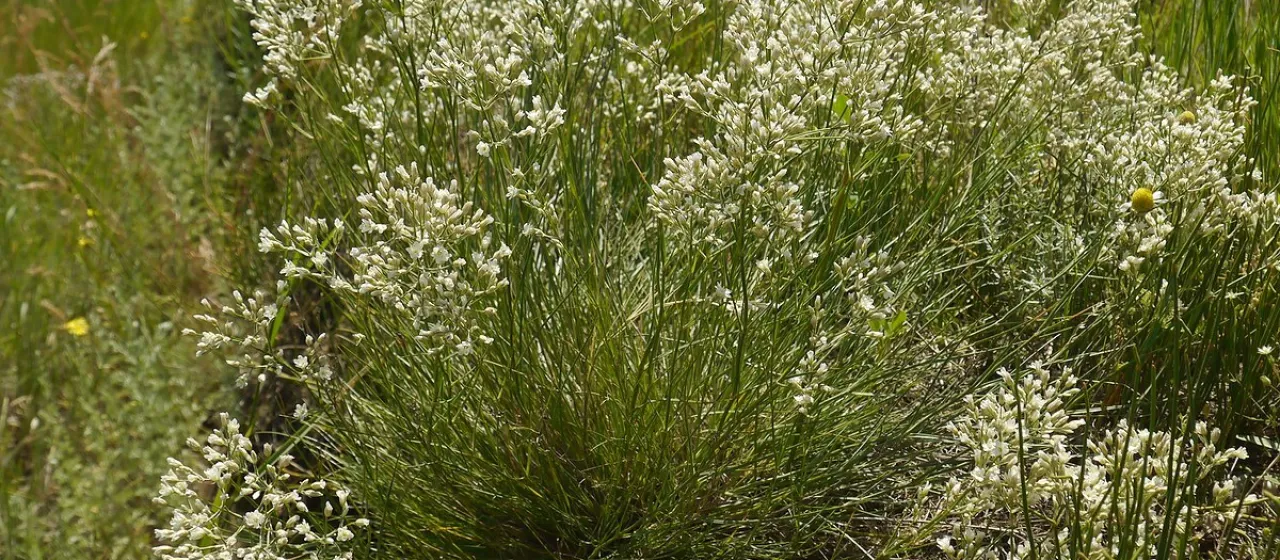
Botanically, Eremogone rigida is defined by its rigid, needle-like foliage arranged in dense rosettes. Its taproot system is deep and expansive, allowing the plant to reach deep-seated moisture during hot, dry summer months. The flowers, typically white or cream-colored, emerge during the flowering phase, creating a delicate visual contrast against the stiff, dark green foliage.
Agronomic requirements for this species are strictly centered on drainage and light exposure. It thrives in gravelly or sandy substrates with a neutral to slightly alkaline pH. Cultivation in waterlogged, heavy, or nutrient-rich soils is strongly discouraged, as the plant is highly susceptible to crown rot under these conditions. Full sun is essential to maintain the plant's compact, dense cushion structure.
- Soil drainage: Crucial for survival; incorporate gravel or grit.
- Irrigation: Minimal; only required during extreme drought.
- Sunlight: Needs full solar exposure for optimal health.
- Pest/Disease Control: Primarily focused on preventing fungal issues through air circulation.
The primary use of Eremogone rigida is in rock gardens, scree beds, and alpine xeriscaping. Because it is a slow-growing plant that requires minimal intervention, it serves as a low-maintenance solution for rocky terrain or steep embankments where soil stability is needed. When managed correctly, it is a long-lived plant that can persist for years without the need for supplemental fertilization.
Photo gallery