Description
Eremophila gilesii is a perennial evergreen shrub belonging to the Scrophulariaceae family. Known as one of the most resilient plants native to the arid interior of Australia, it has developed sophisticated survival mechanisms to cope with extreme heat and prolonged water scarcity, making it a unique subject for agricultural and botanical study.
The plant is naturally distributed across the desert regions of Australia. Its ability to colonize rocky and poor-nutrient soils makes it a vital component of the local ecosystem. In agricultural practice, it is recognized as a hardy species that requires minimal intervention, provided that environmental conditions resemble its native arid habitat.
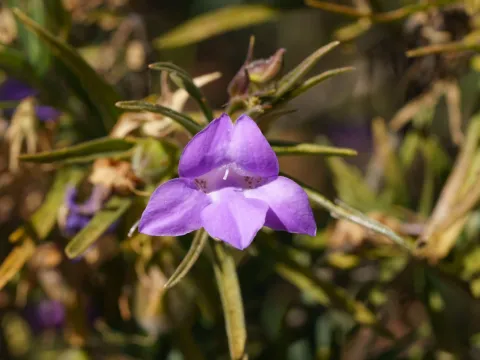
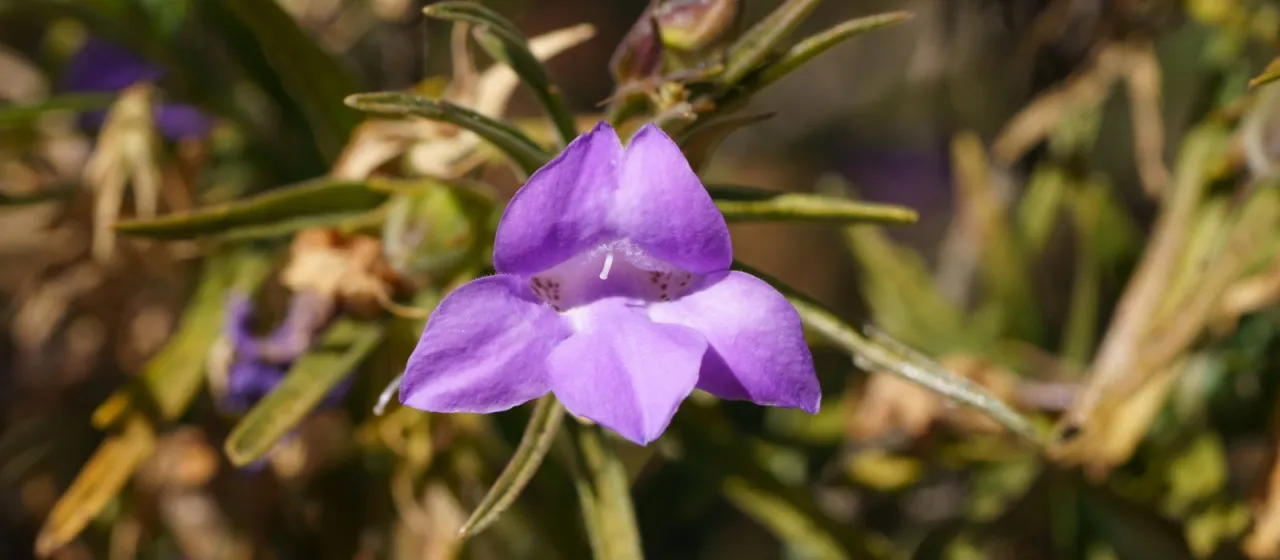
Botanically, Eremophila gilesii is characterized by its woody structure and narrow leaves covered in fine hairs, which help to retain moisture. The flowers are tubular, often ranging in color from pale lavender to deep purple, providing a stark contrast against the desert landscape. It typically reaches a modest size, maintaining a compact and dense appearance.
Agronomic requirements emphasize the necessity of perfect soil drainage. It thrives in well-aerated, sandy, or rocky soils where moisture never accumulates around the roots. Irrigation must be strictly controlled, as waterlogging is the primary cause of plant decline. It performs best under full sun exposure and requires little to no additional fertilization.
The primary use for this species is in xeriscaping and soil stabilization in arid zones. While it is naturally resistant to most pests due to its tough foliage and specialized chemical compounds, it may occasionally encounter root rot issues caused by improper watering techniques. Regular monitoring of drainage efficiency remains the best defense against potential diseases.
- Excellent tolerance to high temperatures and drought.
- Requires minimal maintenance in suitable climates.
- Attractive floral display during the blooming season.
- Adaptable to nutrient-poor soil compositions.
Photo gallery