Description
Eremophila latrobei, commonly known as the native fuchsia or Latrobe's poverty bush, is a hardy, evergreen shrub belonging to the Scrophulariaceae family. Native to the arid and semi-arid regions of Australia, this plant has evolved specialized mechanisms to survive in harsh, water-limited environments, making it a subject of interest for sustainable landscaping and environmental restoration.
The natural distribution of this species spans across the vast landscapes of central and western Australia. It thrives in diverse soil types, ranging from stony outcrops and gravelly ridges to sandy flats. This widespread geographical range indicates a high degree of phenotypic plasticity, allowing the plant to adapt to varying degrees of nutrient availability and temperature fluctuations within its native habitat.
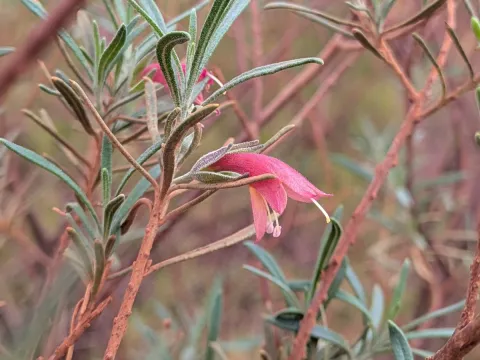
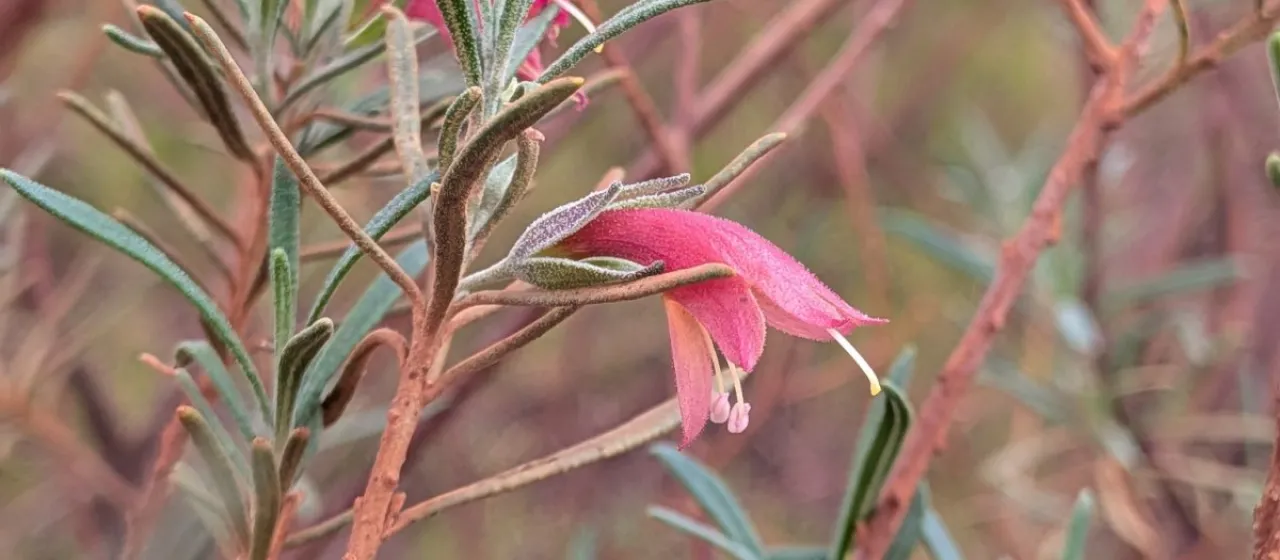
Botanically, Eremophila latrobei is characterized by its woody stems and narrow, glandular, often hairy leaves that minimize water loss through transpiration. The plant produces striking, tubular flowers which typically exhibit shades of bright red, orange, or deep purple. These floral structures are not only visually appealing but are also crucial for attracting specific nectar-feeding birds which serve as pollinators in the wild.
Successful cultivation of this species requires meticulous attention to its ecological needs. The most critical factor is soil drainage; the plant will not tolerate heavy or waterlogged soils. In a horticultural setting, it should be planted in well-draining, sandy loam and provided with full sun exposure. It is highly drought-tolerant once established, requiring little to no supplemental irrigation even in hot, dry climates.
Regarding its utility, the plant is primarily used as an ornamental feature in xeriscaping or dry-garden designs. It is also valued for soil stabilization in land reclamation projects due to its robust root system. While generally resistant to common garden pests, indoor or nursery-grown plants may occasionally succumb to fungal infections like powdery mildew if air circulation is insufficient or if humidity levels are consistently high.
Photo gallery