Description
Eriocapitella rivularis, often referred to as the woolly-headed anemone, is a herbaceous perennial plant belonging to the Ranunculaceae family. Historically classified under the genus Anemone, this species is distinguished by its unique morphological traits, including a dense covering of hairs on the flower stems, leading to its current botanical classification.
The plant originates from the mountainous regions of Central Asia, specifically throughout the Himalayas, China, and India. In its native habitat, it thrives in high-altitude environments, typically occupying sites near running water, mountain streams, and moist meadows, which highlights its strong preference for consistent moisture throughout the growing season.
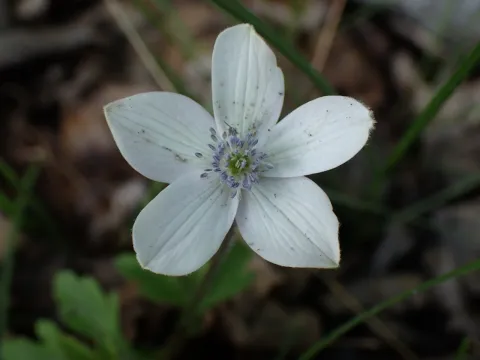
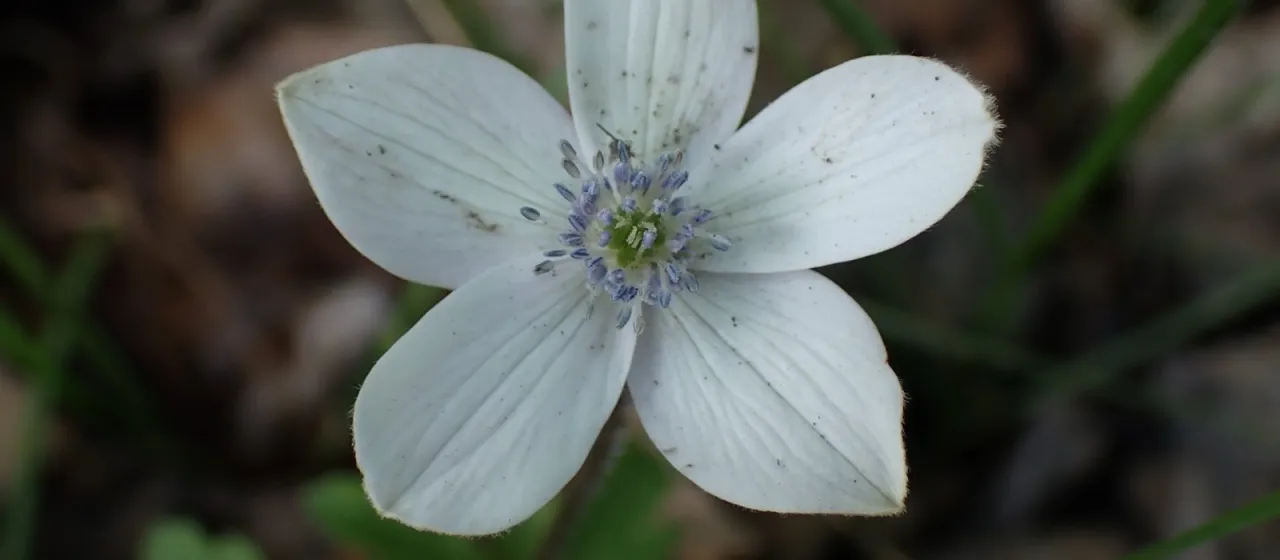
Botanically, it features a basal rosette of deep green, deeply lobed leaves. During the blooming phase, it produces slender, strong stems topped with clusters of elegant flowers. These flowers are usually pure white or cream, often adorned with a subtle purplish or pinkish tint on the exterior of the sepals, adding significant visual appeal to the plant.
Cultivation of Eriocapitella rivularis requires careful selection of the planting site. The soil should be rich in organic matter, well-draining, yet capable of retaining moisture consistently. It performs best in partial shade, where the soil temperature remains cool and protected from the drying effects of direct afternoon sun, mimicking its natural riparian environment.
Agronomic management involves regular irrigation during dry spells and applying organic mulch to preserve soil moisture and regulate root temperature. The plant is generally robust and resistant to common pests, though fungal pathogens may emerge if drainage is poor. It serves primarily as an ornamental crop, favored by gardeners for waterside plantings, rock gardens, and shaded woodland borders.
- Excellent choice for naturalistic garden designs.
- Cold hardy and suitable for temperate climates.
- Minimal maintenance once established in the correct site.
- Compatible with other shade-loving moisture-retentive plants.
Photo gallery