Description
Eriocapitella rupicola, commonly known as rock anemone, is a perennial herbaceous plant belonging to the Ranunculaceae family. Formerly classified within the Anemone genus, this plant is now recognized under the distinct Eriocapitella genus. It is highly valued in horticulture for its elegant flowering habit and its ability to thrive in challenging alpine-like conditions.
The origin of Eriocapitella rupicola lies in the mountainous areas of the Himalayas and parts of China. Given its natural habitat, the plant is well-adapted to cooler climates and high-altitude environments. It is effectively cultivated in temperate zones where conditions allow for stable temperature ranges and consistent moisture during the growing season.
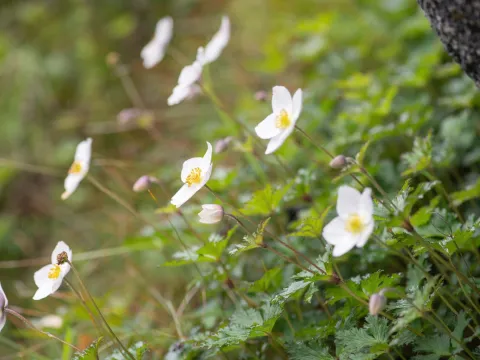
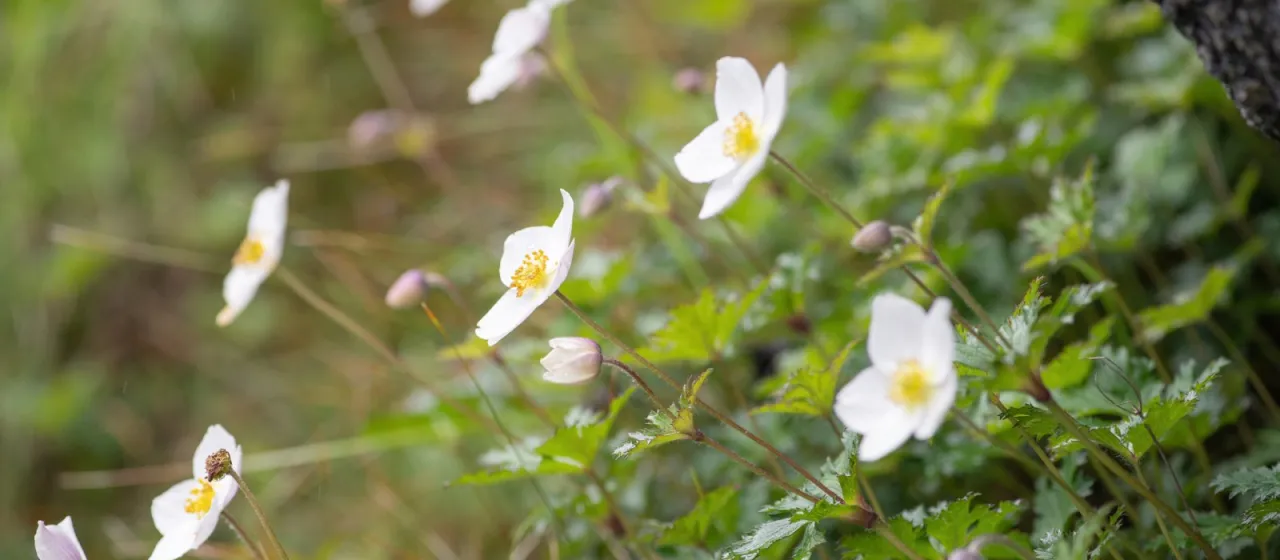
Botanically, the plant features basal pinnate leaves and tall, erect stems topped with solitary flowers. The flowers are typically white or pale pink, often displaying fine pubescence on the pedicels and sepals, which gives them a unique textural quality. The growth habit is rhizomatous, allowing the plant to form stable colonies over several years.
Agricultural requirements for Eriocapitella rupicola focus on soil structure and moisture management. It demands a well-draining, humus-rich soil that mimics a rocky or mountainous substrate. Overwatering should be avoided, as stagnant water is the primary cause of root rot in this species. Partial shade is generally preferred, especially in areas with hot and intense summers.
The plant is primarily utilized as an ornamental feature in rock gardens, woodland plantings, and perennial borders. While relatively robust, it can be susceptible to common garden pests such as slugs and snails, as well as fungal infections like powdery mildew if air circulation is poor. Regular maintenance involves cutting back dead foliage and ensuring the site remains free from excess debris.
- Site selection: partial shade with wind protection
- Soil: well-draining, slightly acidic to neutral
- Irrigation: regular during dry spells
- Propagation: division of rhizomes in early spring or autumn
Photo gallery